Engineered systems for controlled motion

The CORA range should be read as a set of systems, not as a list of components.

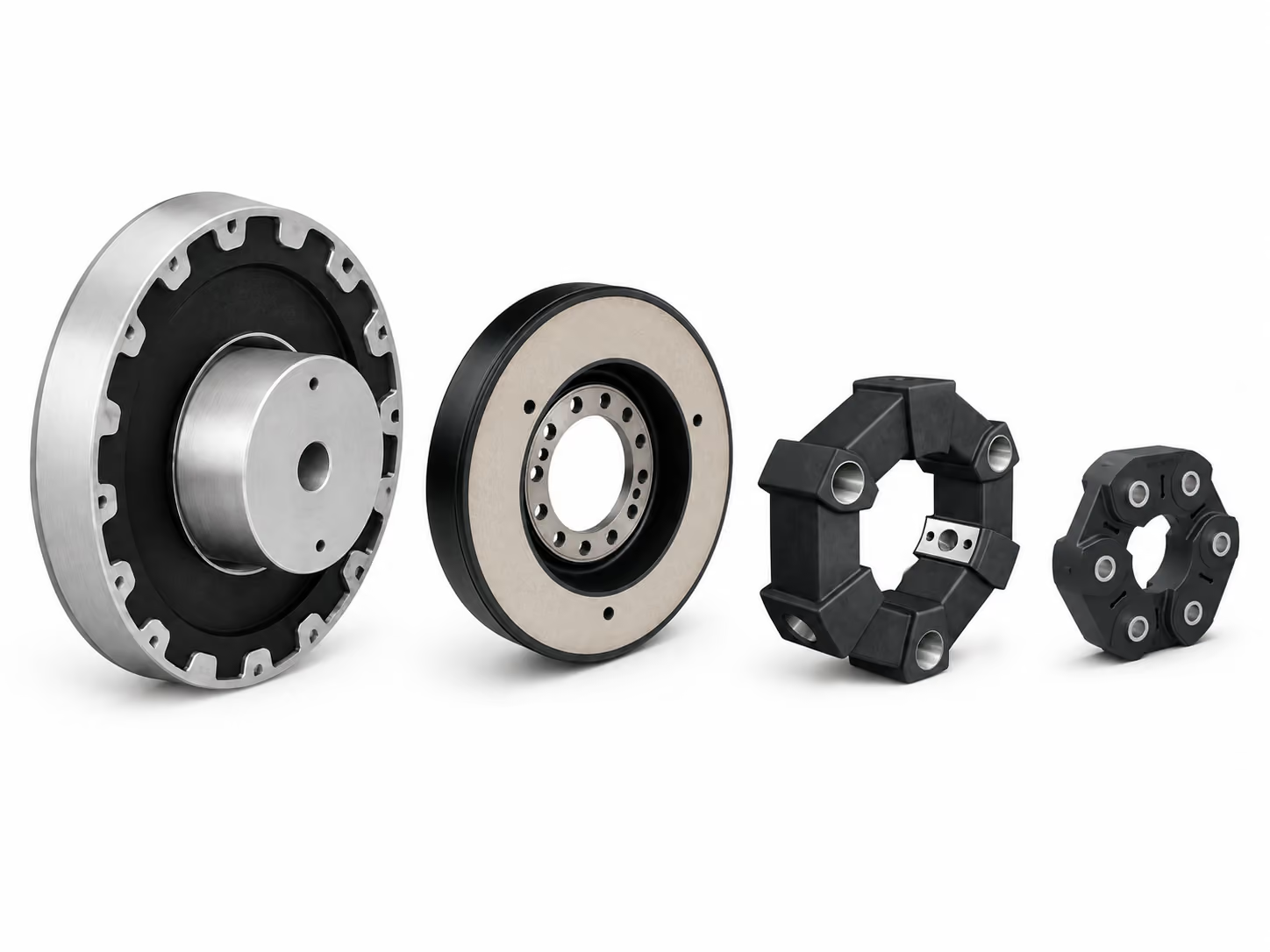
Each family produced responds to a dynamic function: transmitting torque, controlling torsional vibration, insulating the structure and protecting mechanical integrity over time.

CORA develops rubber-metal systems designed with calibrated stiffness, controlled elastic behavior, damping capabilities and durability targets defined according to the application environment.

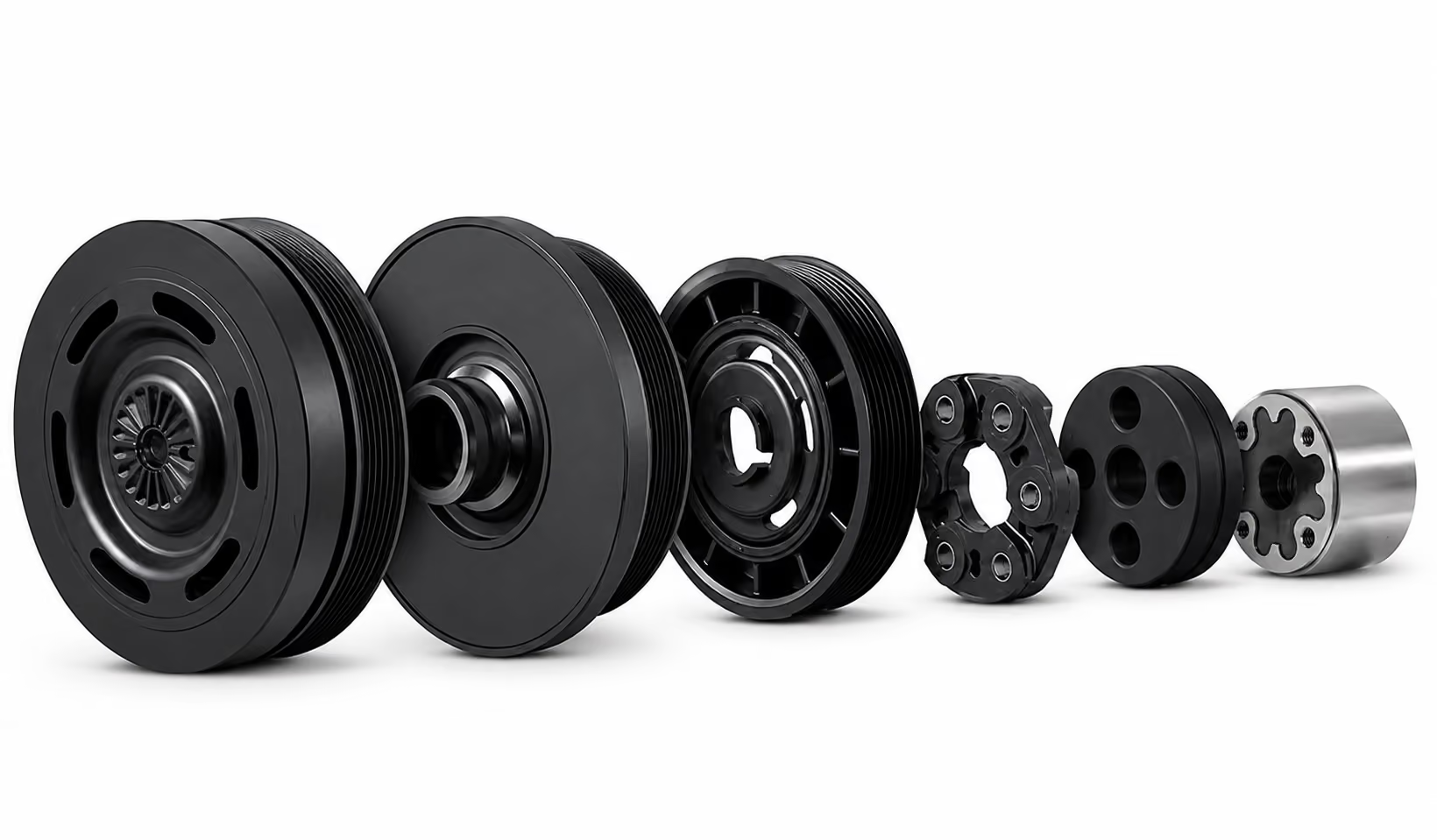
Six mechanical components including pulleys and couplings aligned on a white background.

Torque Transmission Systems

Close-up of metallic mechanical components arranged in rows with a blue background.

Advanced Engineering

Nothing left to chance

CORA elastic joints are not generic elastic elements. They are designed and patented to govern the transmission of motion: transfer torque, absorb dynamic irregularities, compensate for mismatches and reduce the propagation of vibrations along the kinematic chain.

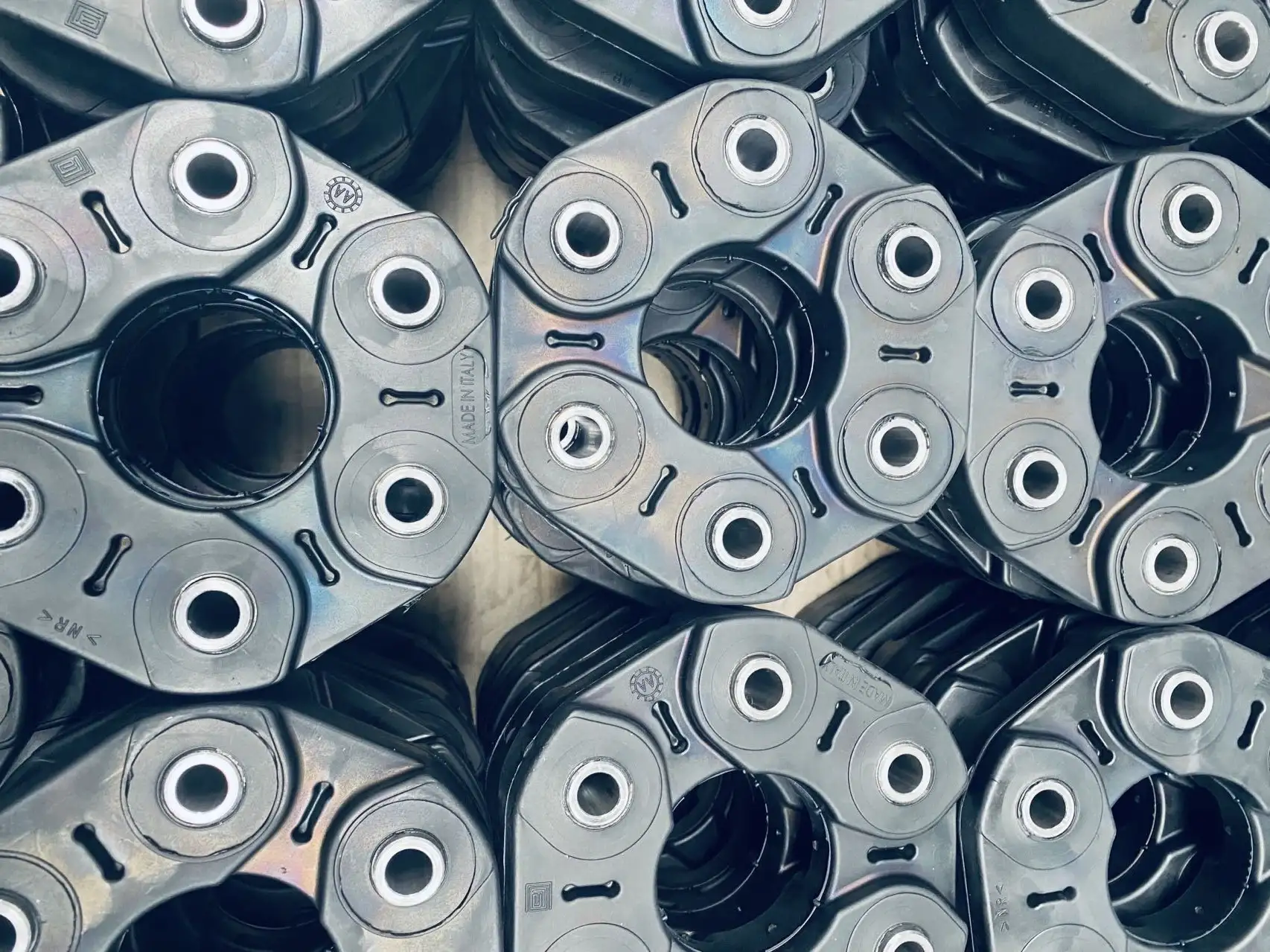
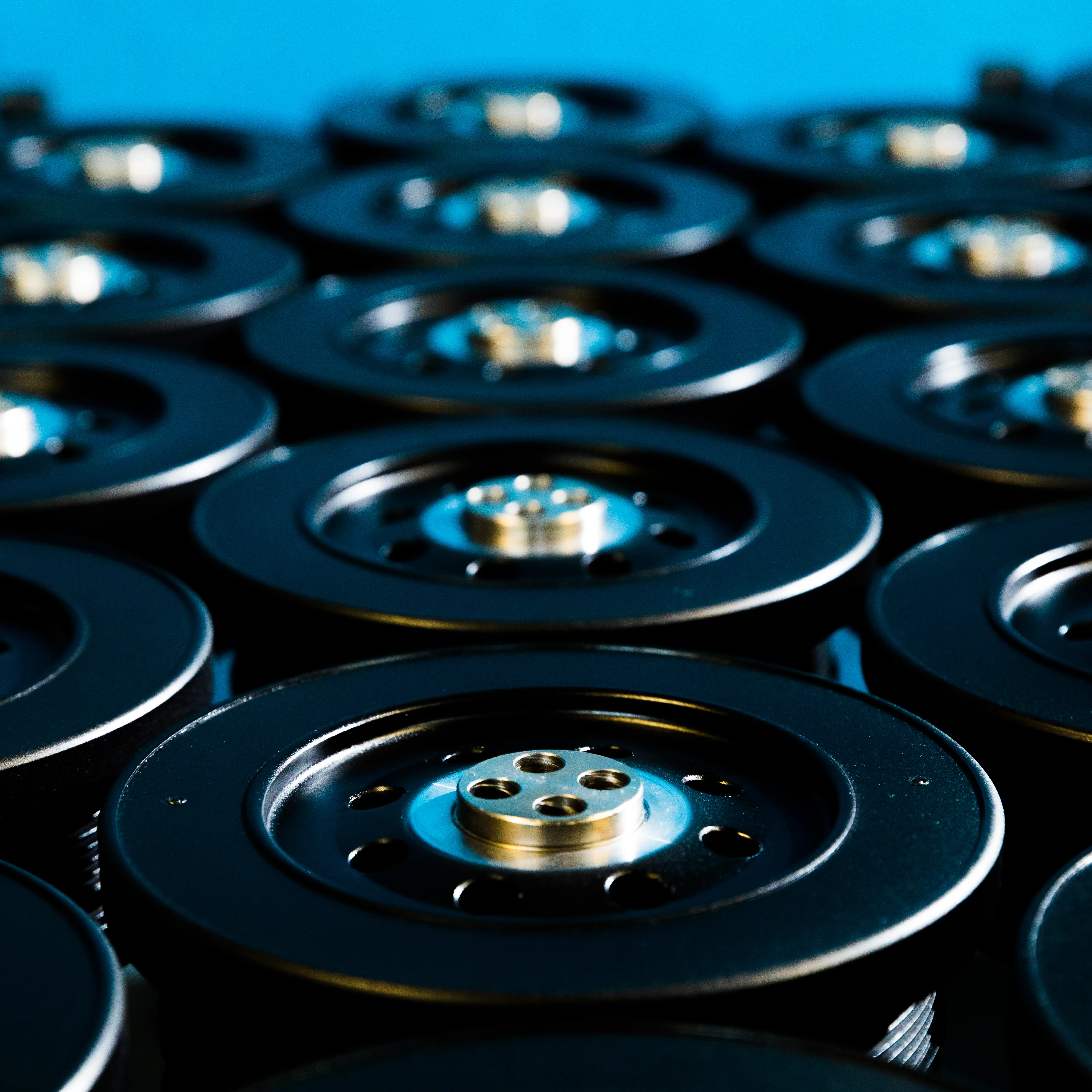
Close-up view of stacked black mechanical couplings with metal inserts and hexagonal shapes.
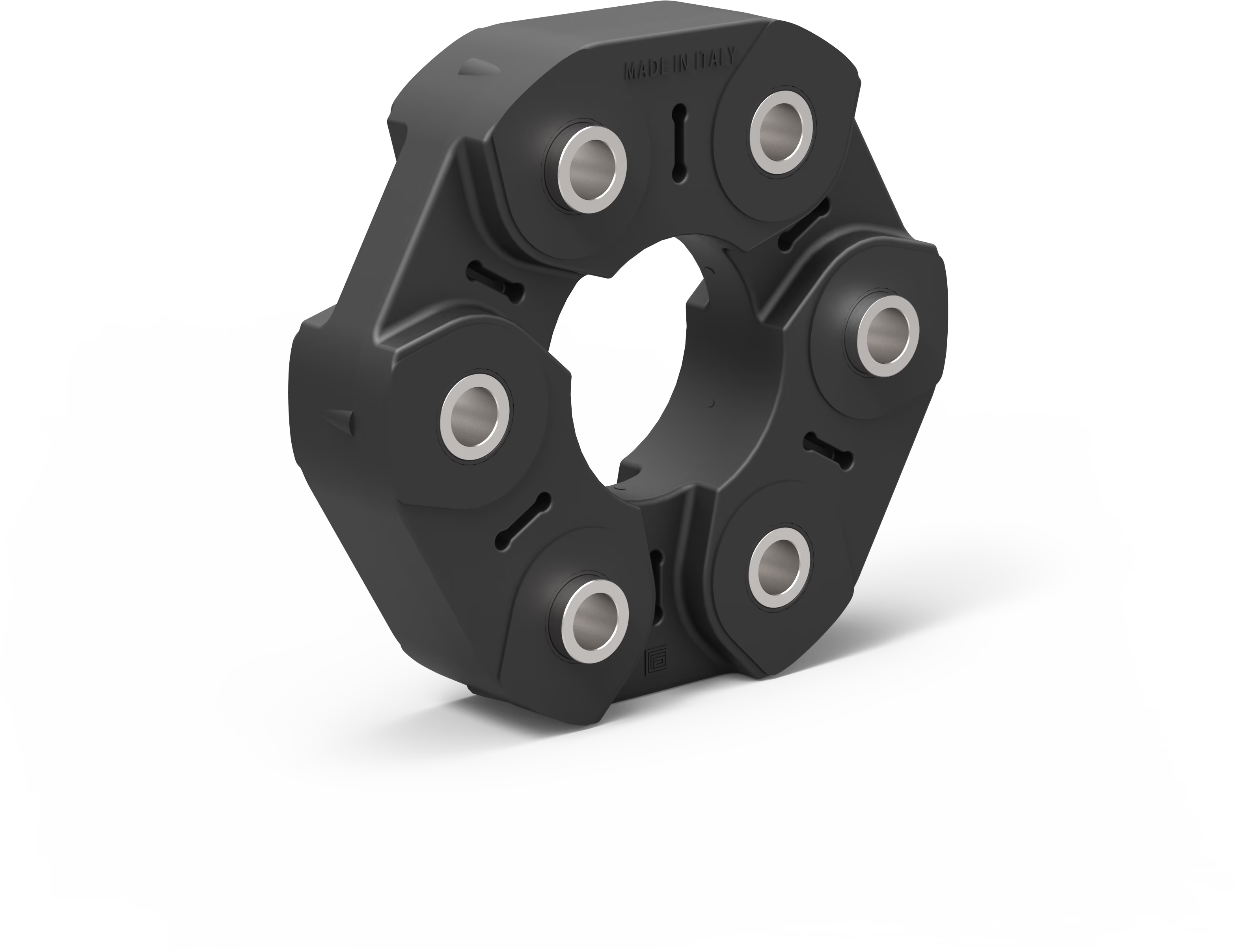
Close-up of a black mechanical part with metal inserts and 'MADE IN ITALY' embossed text.

The platform was born from the patented concept introduced in 1993, recognized at the International Exhibition of Inventions in Geneva in 1999 and subsequently evolved with engineering and material updates from 2018.

This continuity makes the patent not a reference to the past, but a trace of the technological evolution of CORA.

The CORA joint must be told as an Italian proprietary technology: a concrete response to the needs of increasingly compact, stressed, sensitive to vibrational behavior and subjected to strict work cycles.

Key Functions

CORA joints are not simply elastic elements.

They are patented architectures to govern the transmission of motion.

Efficient transmission of torque between mechanical organs
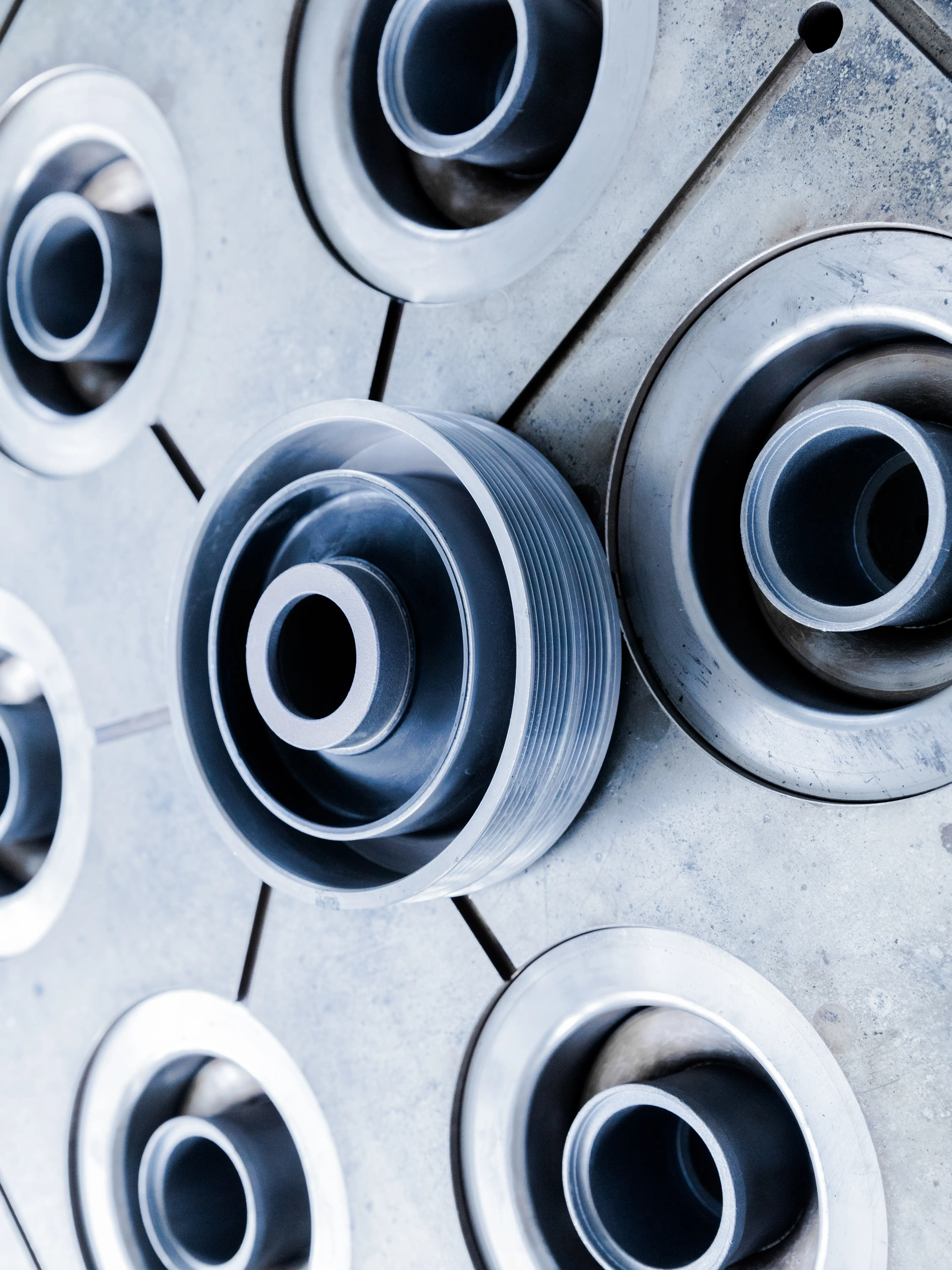
Close-up of six circular industrial metal components arranged in a hexagonal pattern on a metal surface.
Torsional response calibrated according to application
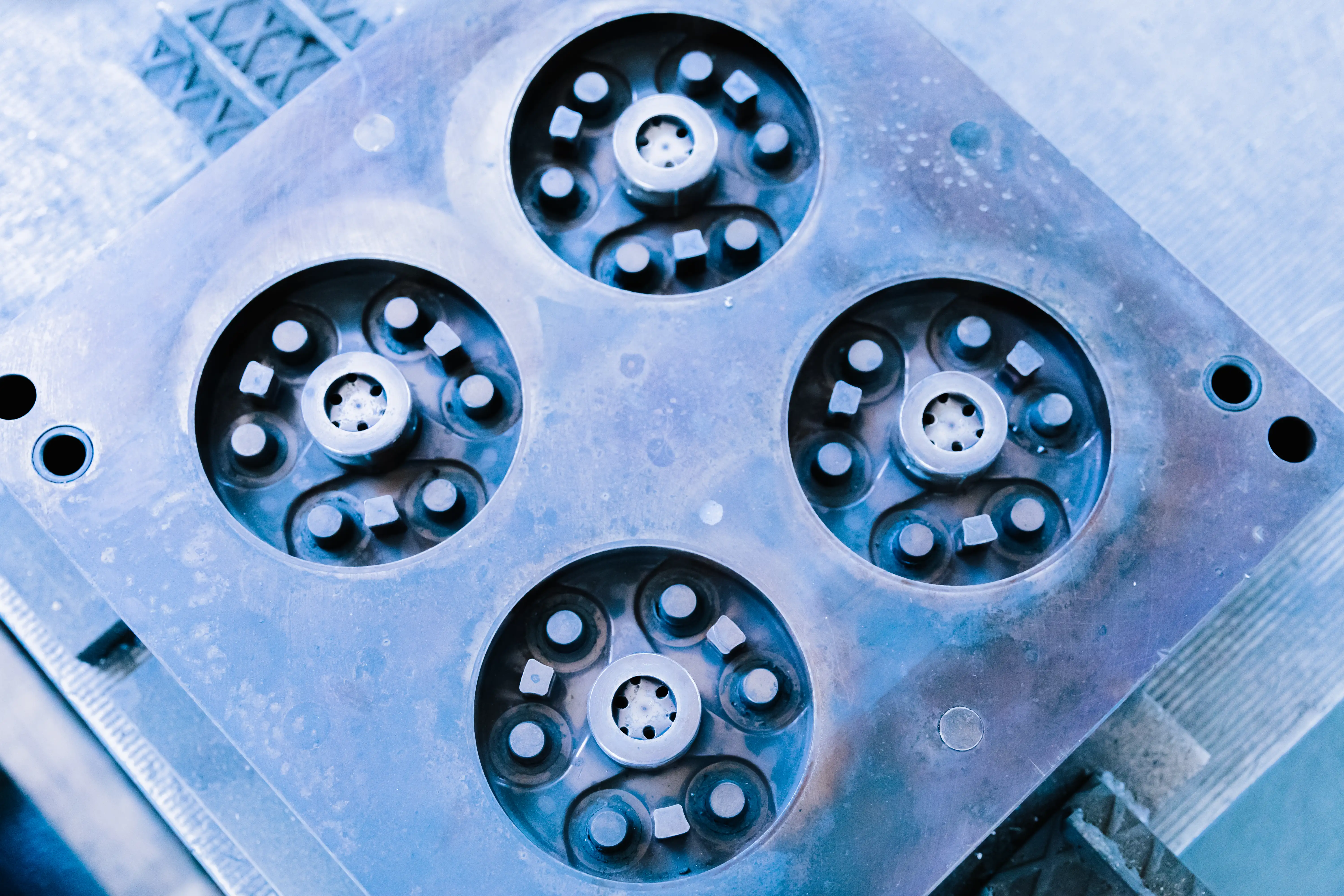
Close-up of a metal industrial mold with four circular cavities containing pins and square pegs.
Absorption of peaks, fluctuations and torque shocks
Inside view of a perforated cylindrical container holding small gray plastic tube pieces.
Compensation of axial, radial and angular mismatch
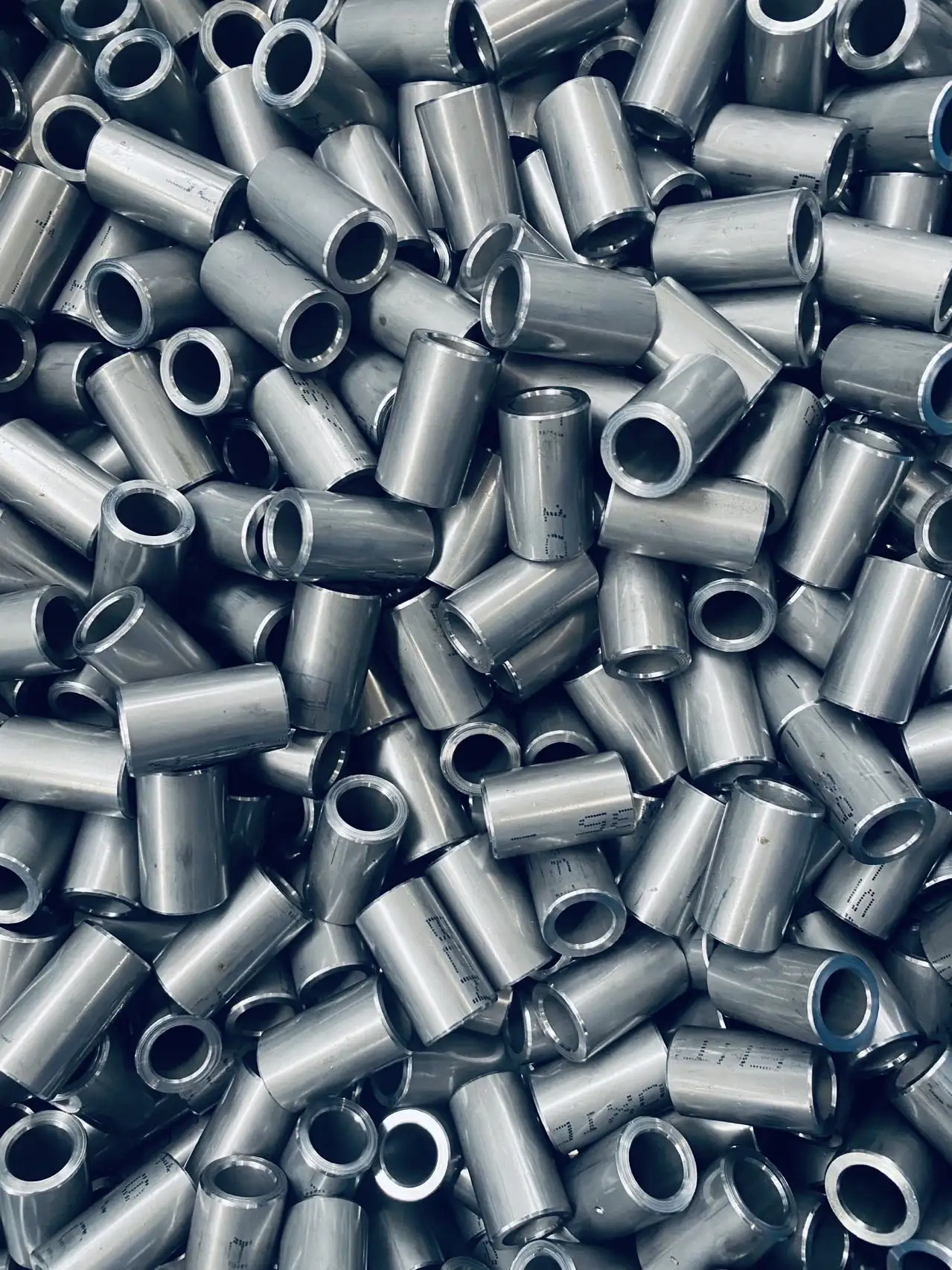
Pile of shiny metal cylindrical tubes with hollow centers and smooth surfaces.
Reduction of vibrational propagation and structural noise
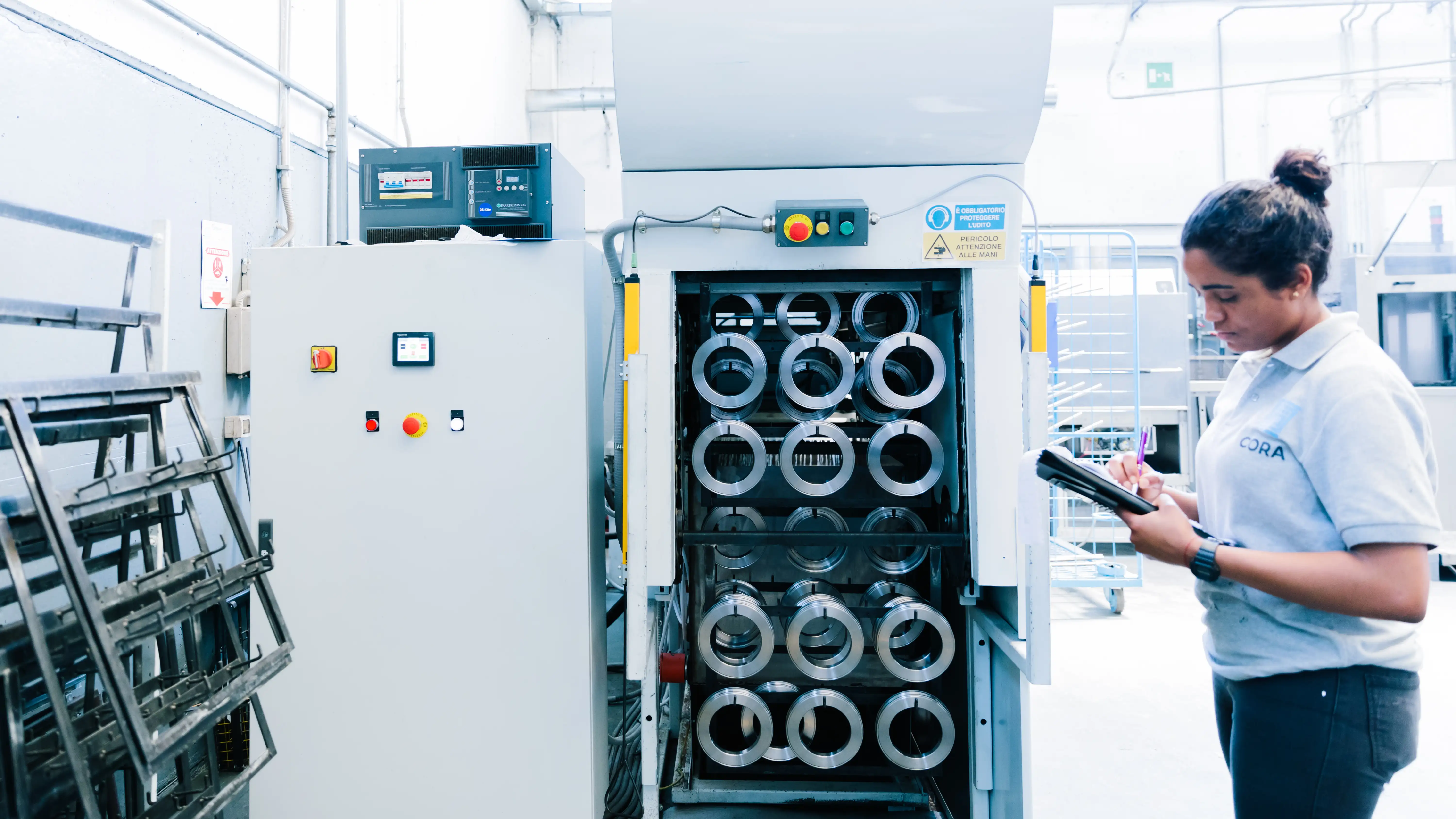
White industrial machine with pressure gauges, control switch, and a red warning light in a factory setting.
High torque capacity in compact geometries
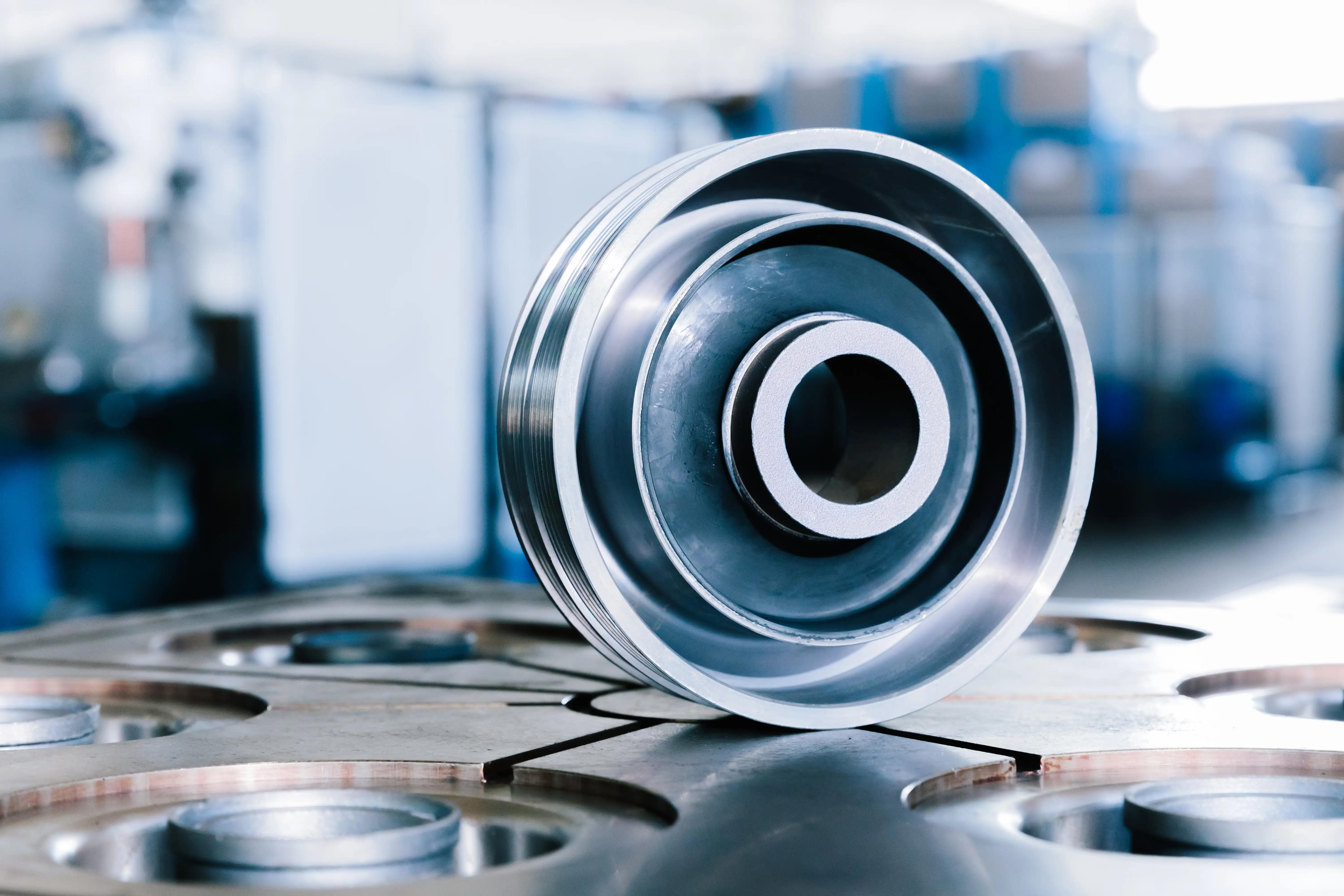
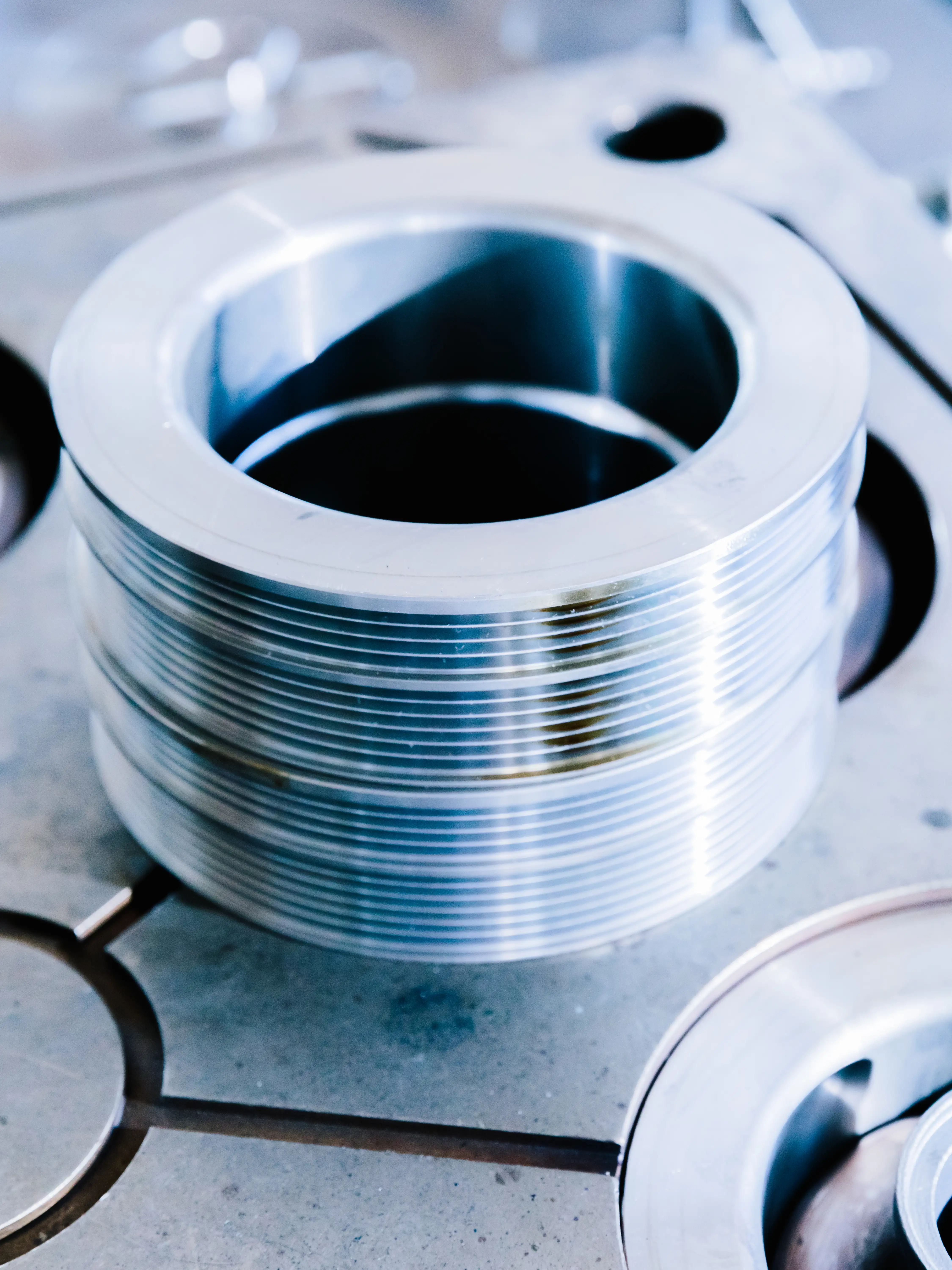
Close-up of a shiny metal pulley with grooves resting on an industrial metal surface.
Stability of elastic behaviour under cyclic loads
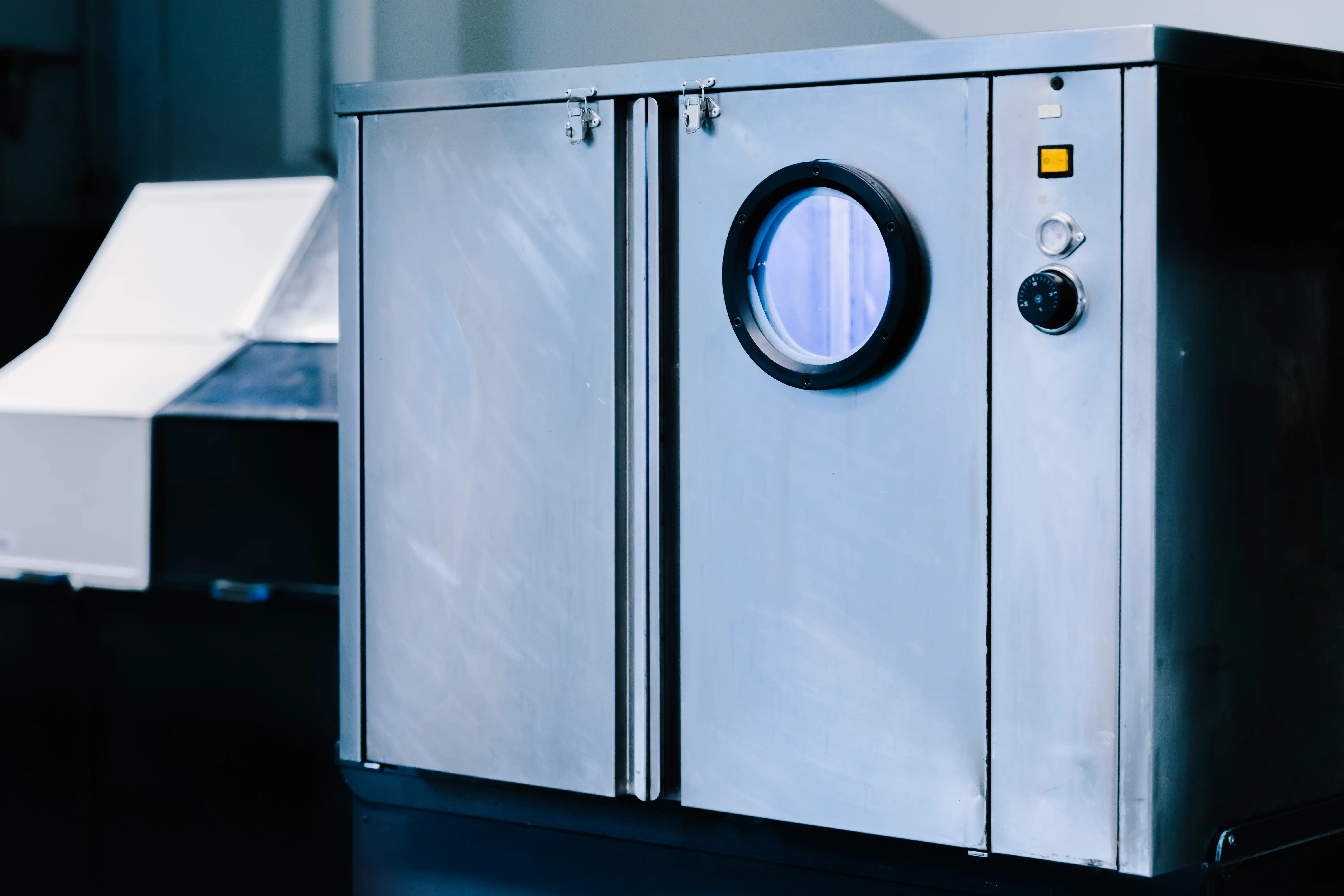
Industrial metal machine with circular window, control knob, and a yellow rectangular button.
In selected configurations, contribution to business continuity in case of degradation of the elastomer element
Close-up view of stacked black mechanical couplings with metal inserts and hexagonal shapes.
Possibility of solutions oriented to the controlled dissipation of electrostatic charges, where required
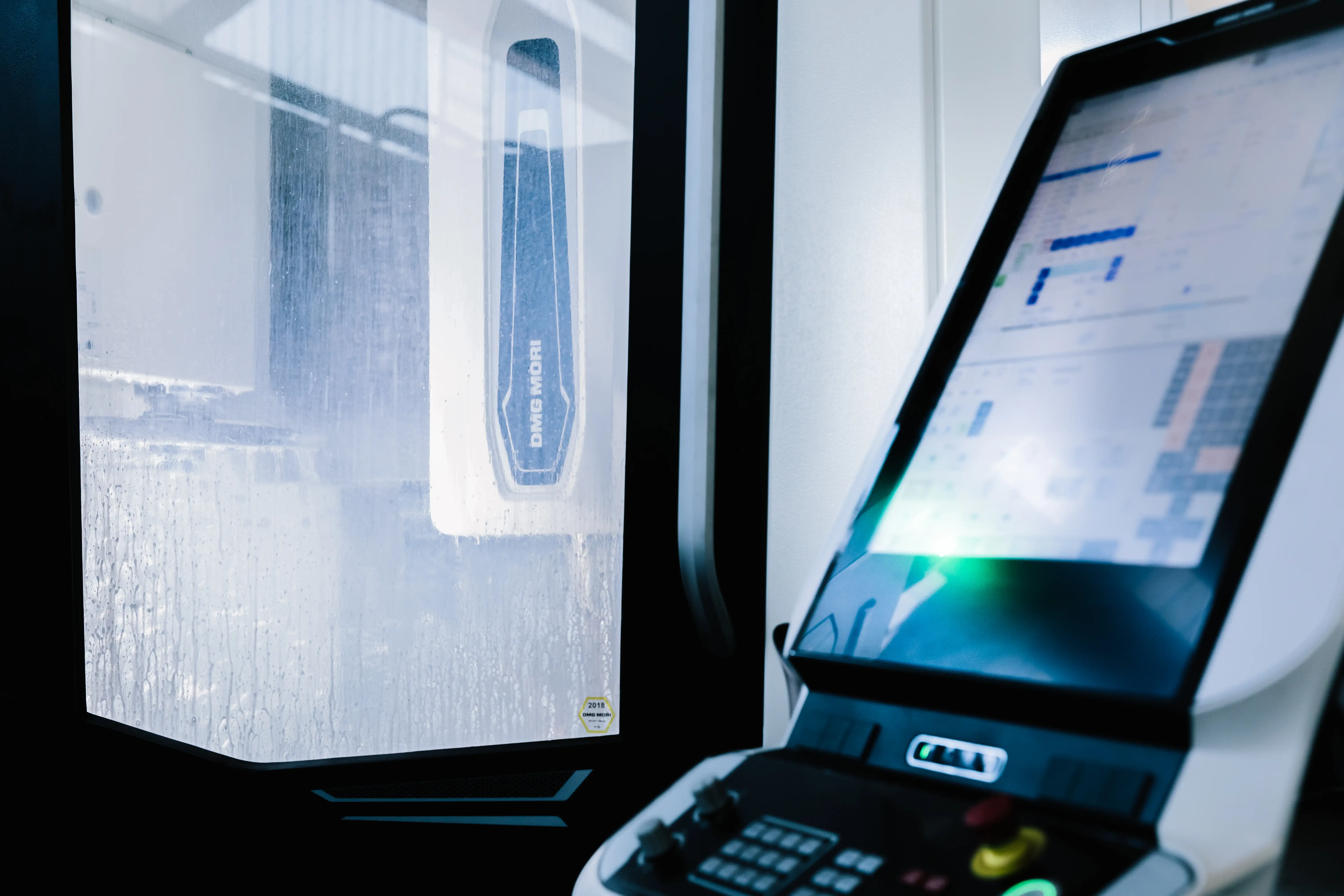
Close-up of a CNC machine and its digital control panel with a glowing green light.

Patented elastic joints

CORA B
CORA T
CORA V
CORA S

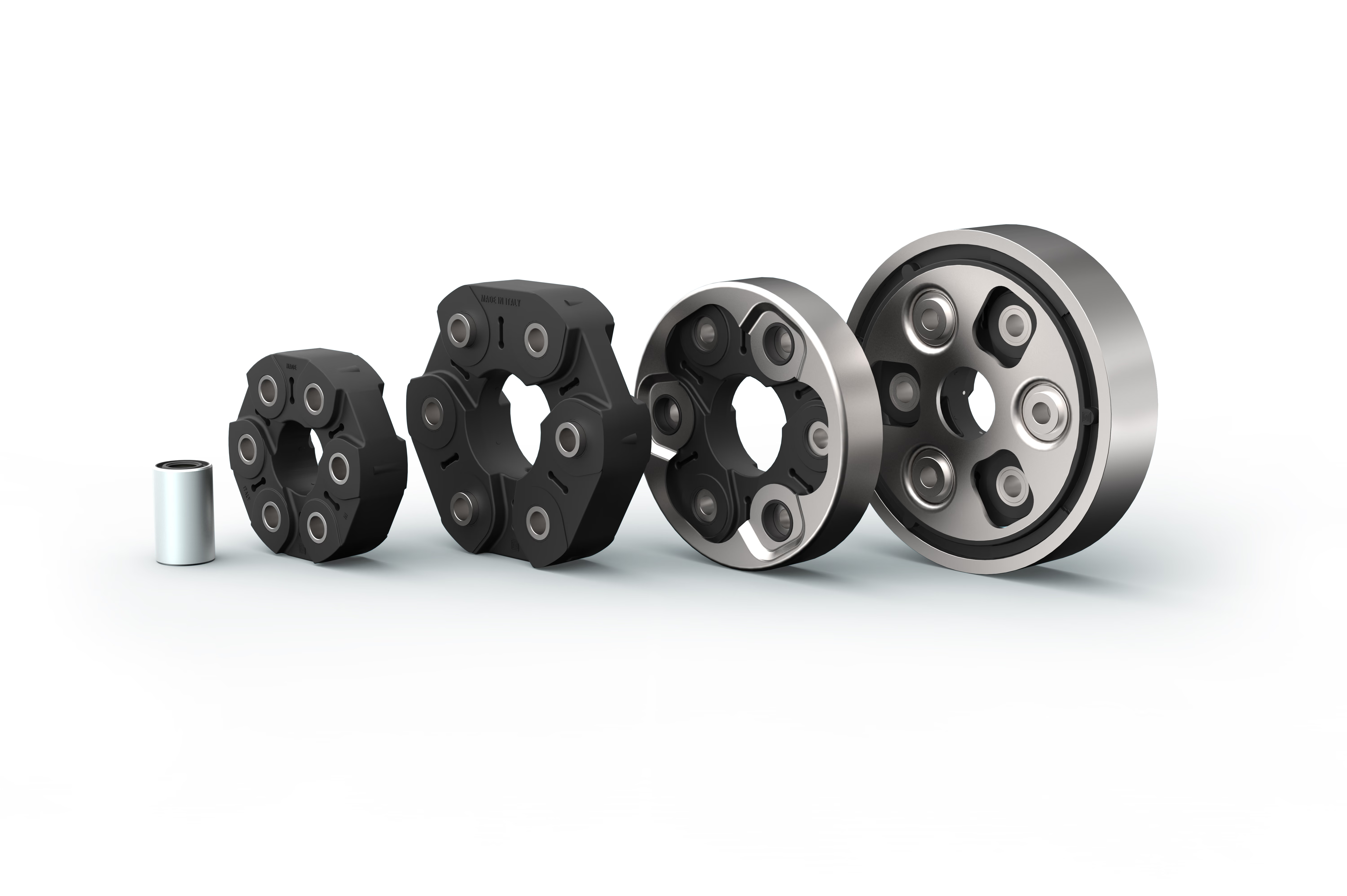
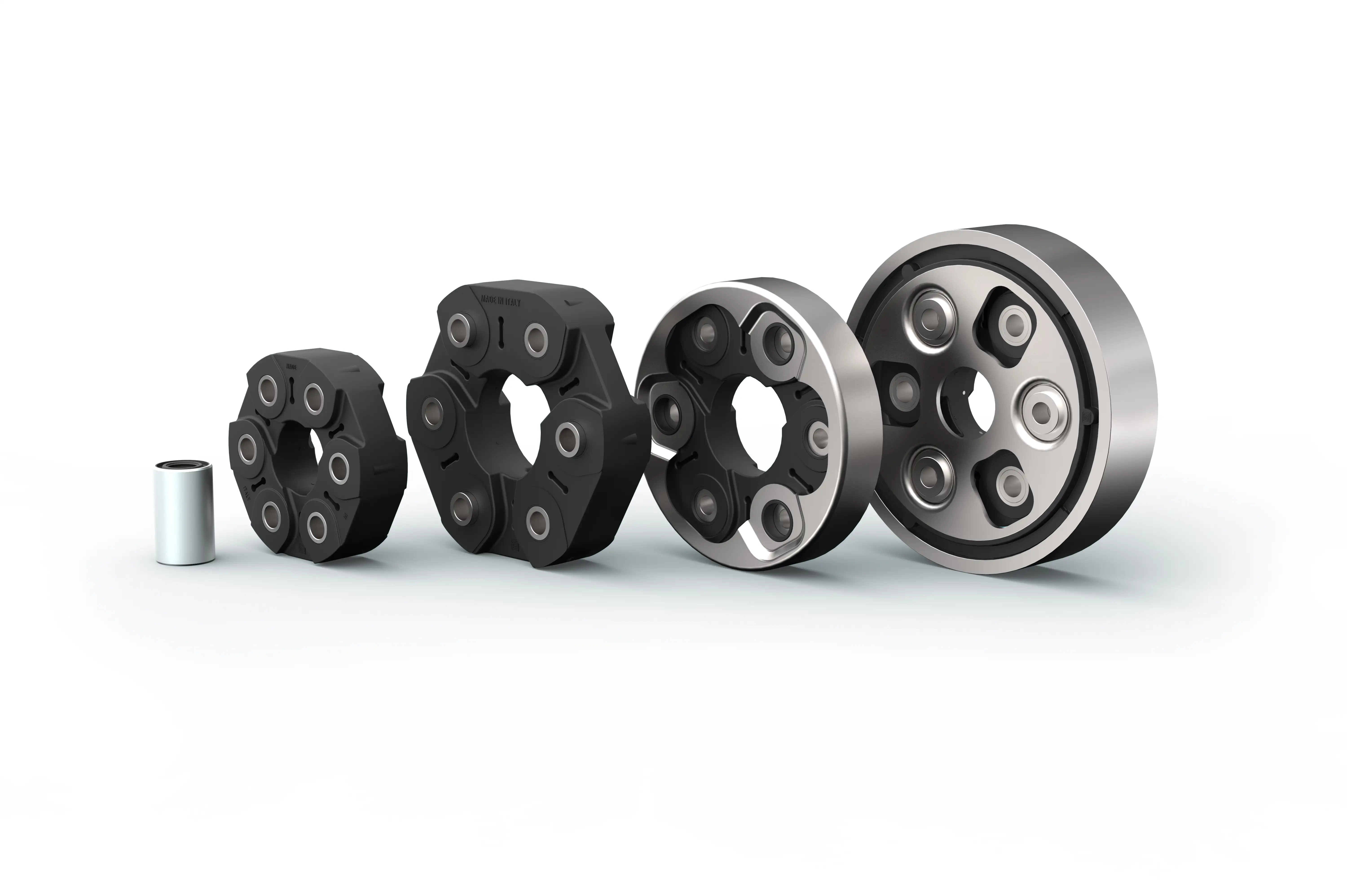
Five metal and rubber mechanical parts of different sizes arranged in a row on white background.

Patented Elastic Joints

CORA B

Base coupling

Compact transfer of the torque. Controlled elastic response.

CORA B is the reference joint for compact transmission architectures that require torque, reliability and predictable elastic behavior.

Based on the patented CORA concept, it is designed for mechanical connections that must remain stable under combined loads and repeated dynamic cycles.

Efficient transfer of the torque in compact size

Absorption of peaks and torsional fluctuations

Controlled compensation of mismatches;

Reduction of structural noise and propagated vibration

Durability under cyclical loads and severe operating conditions.

Patented Elastic Joints

CORA T

Torque Transmission

Multi-directional flexibility. Efficient transmission.

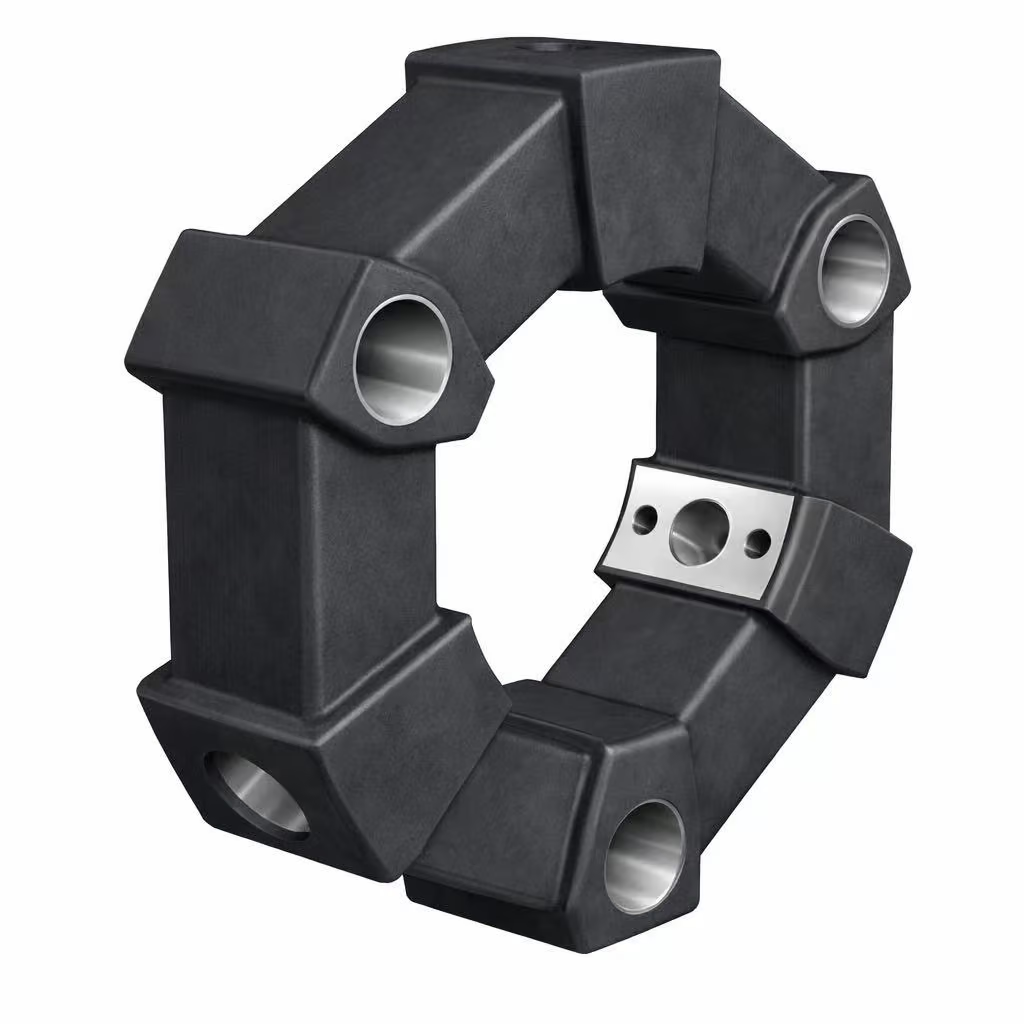
CORA T is developed for systems that require torque transmission and combined flexibility in axial, radial and angular directions.

It is a suitable solution for agricultural, industrial, marine and off-highway applications, where the perfect alignment of the trees cannot always be guaranteed.

High multi-directional flexibility

Fluid transmission under variable loads

Mechanical interface protection from shock and vibration

Stable performance in heavy work cycles

Applicability to agricultural machinery, industrial drives, auxiliary groups and marine systems

Giunti Elastici Brevettati

CORA V

Vibration Control

High flexibility torsion insulation.

CORA V is designed for systems exposed to strong torsional excitation, irregular loads and severe dynamic conditions.

Its function is to create a high-cessional interface, capable of isolating irregularities before they spread in the transmission and compromise the behavior of the system.

High torsional flexibility

Strong damping capacity

Isolation of combustion irregularities and torsional peaks

Transmission protection from dynamic overloads

Suitability for marine propulsion, power generation and heavy industrial machinery

Giunti Elastici Brevettati

CORA S

Speed Control

High flexibility torsion insulation.

CORA V is designed for systems exposed to strong torsional excitation, irregular loads and severe dynamic conditions.

Its function is to create a high-cessional interface, capable of isolating irregularities before they spread in the transmission and compromise the behavior of the system.

High torsional flexibility

Strong damping capacity

Isolation of combustion irregularities and torsional peaks

Transmission protection from dynamic overloads

Suitability for marine propulsion, power generation and heavy industrial machinery

Torsion damping systems

The Italian Avant-Garde

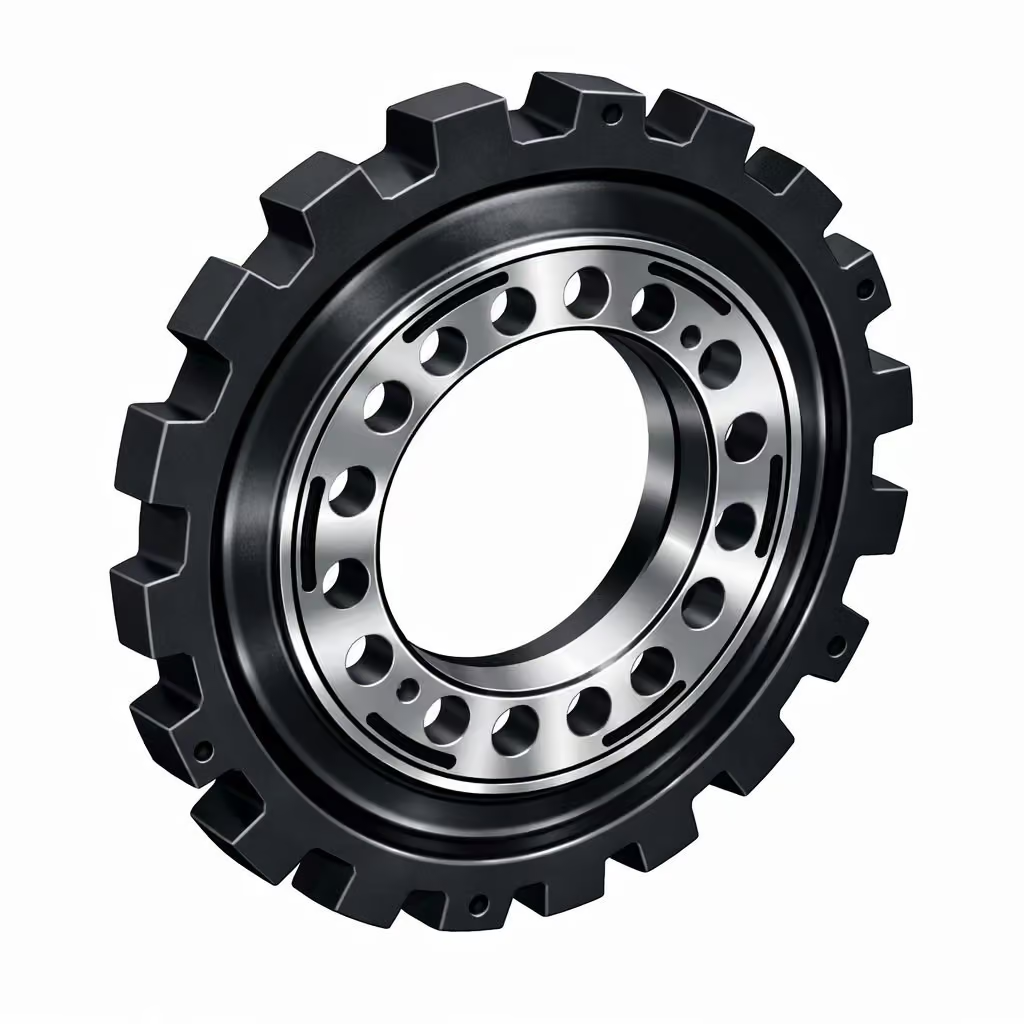
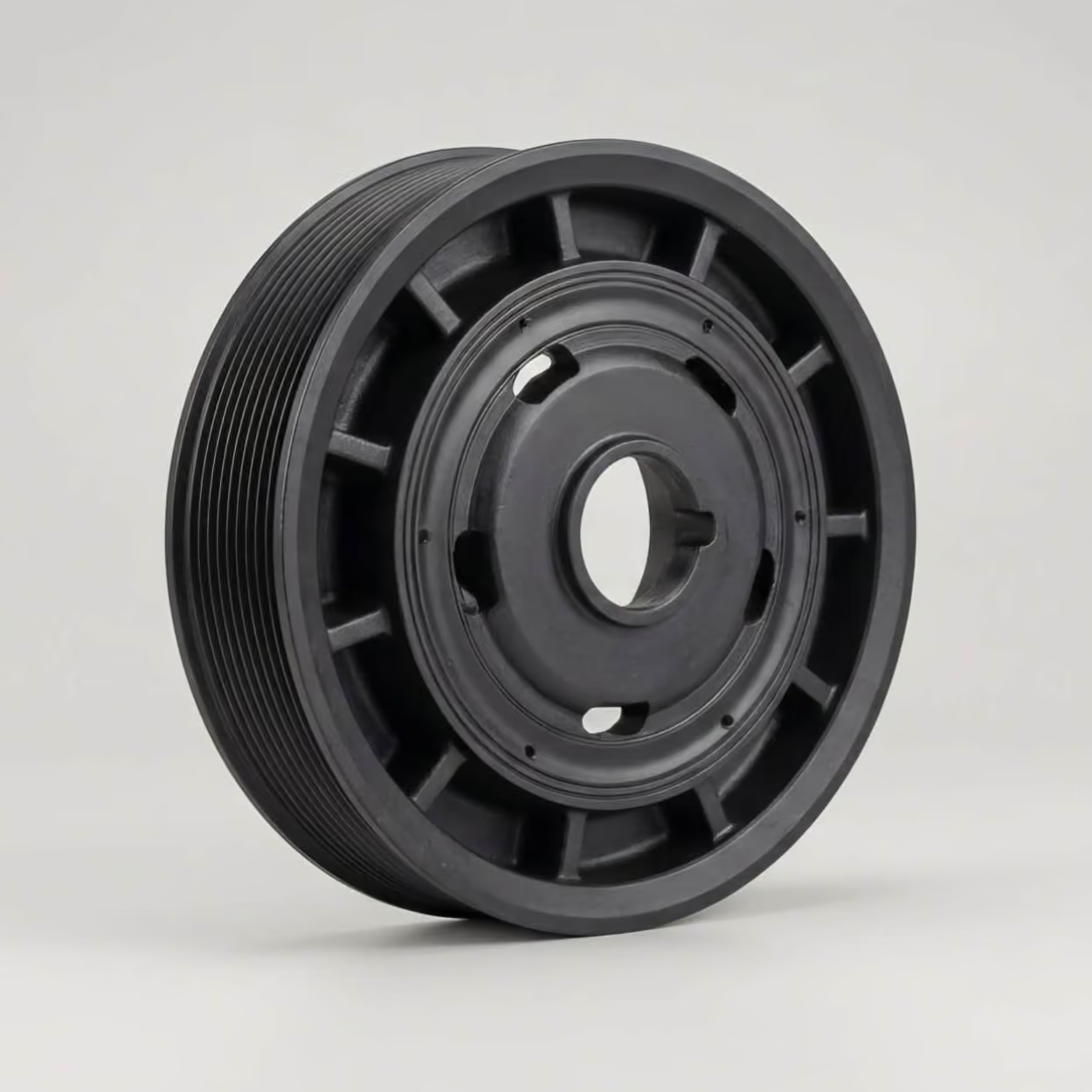
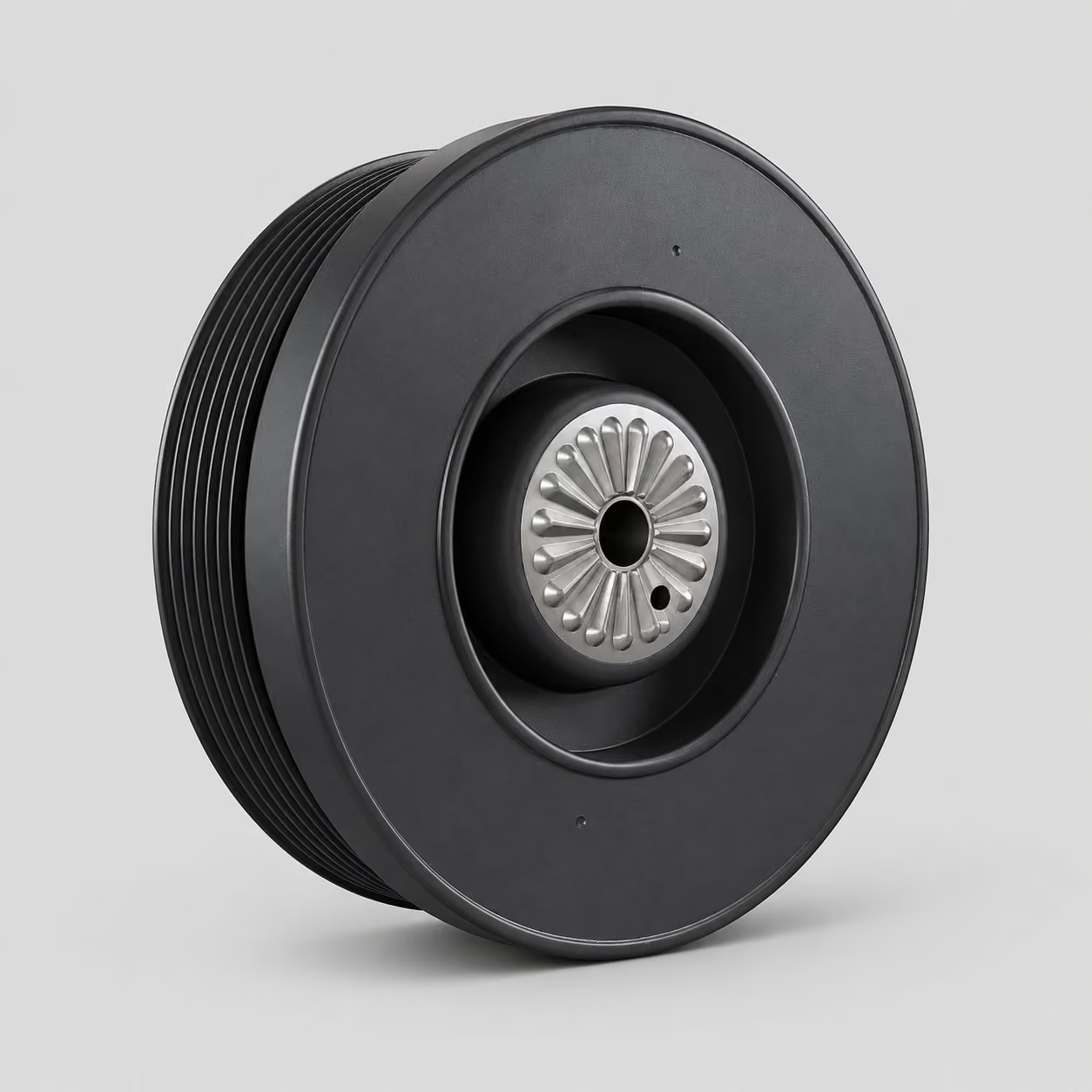
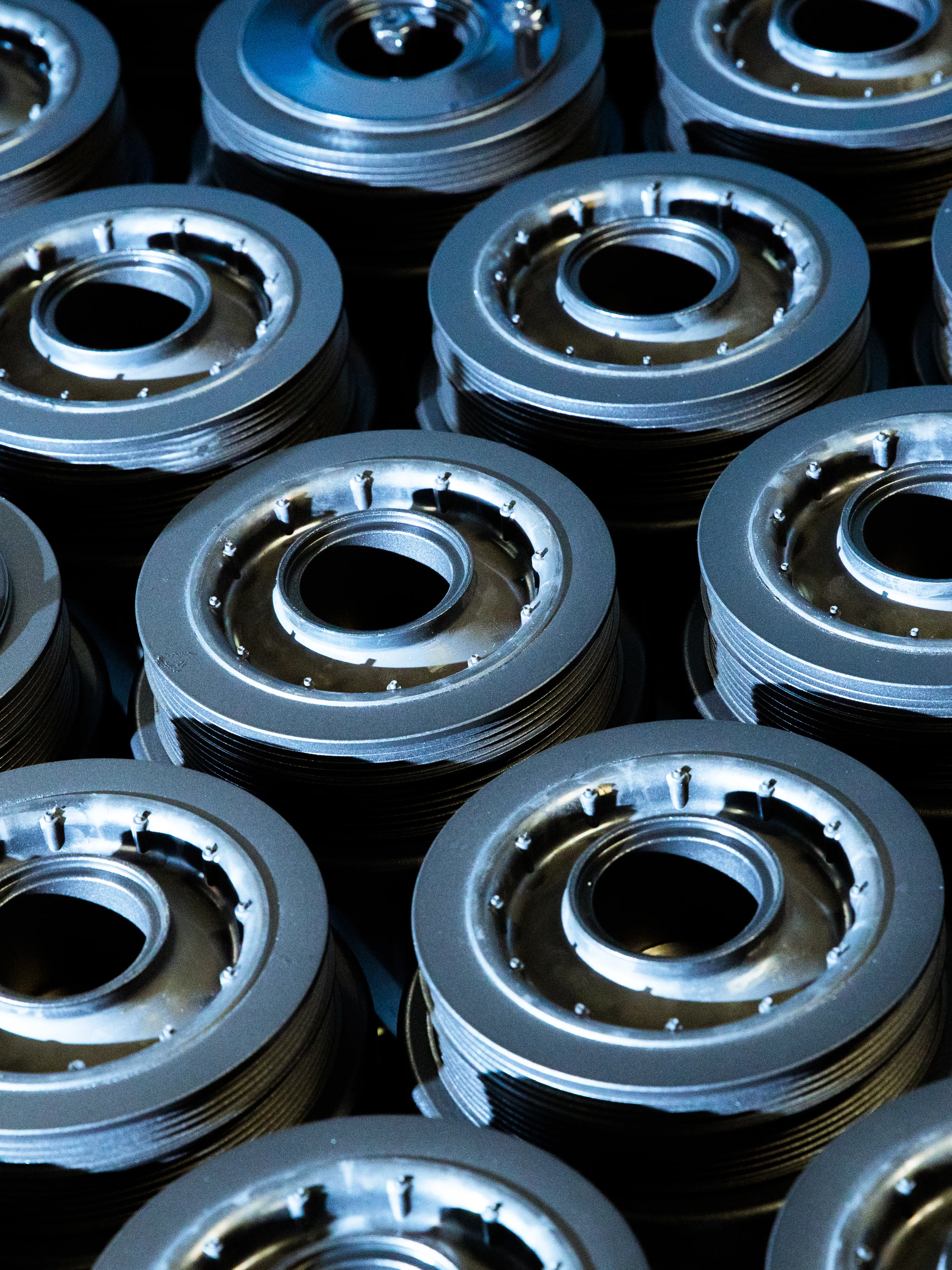
Damping pulleys and torsional systems

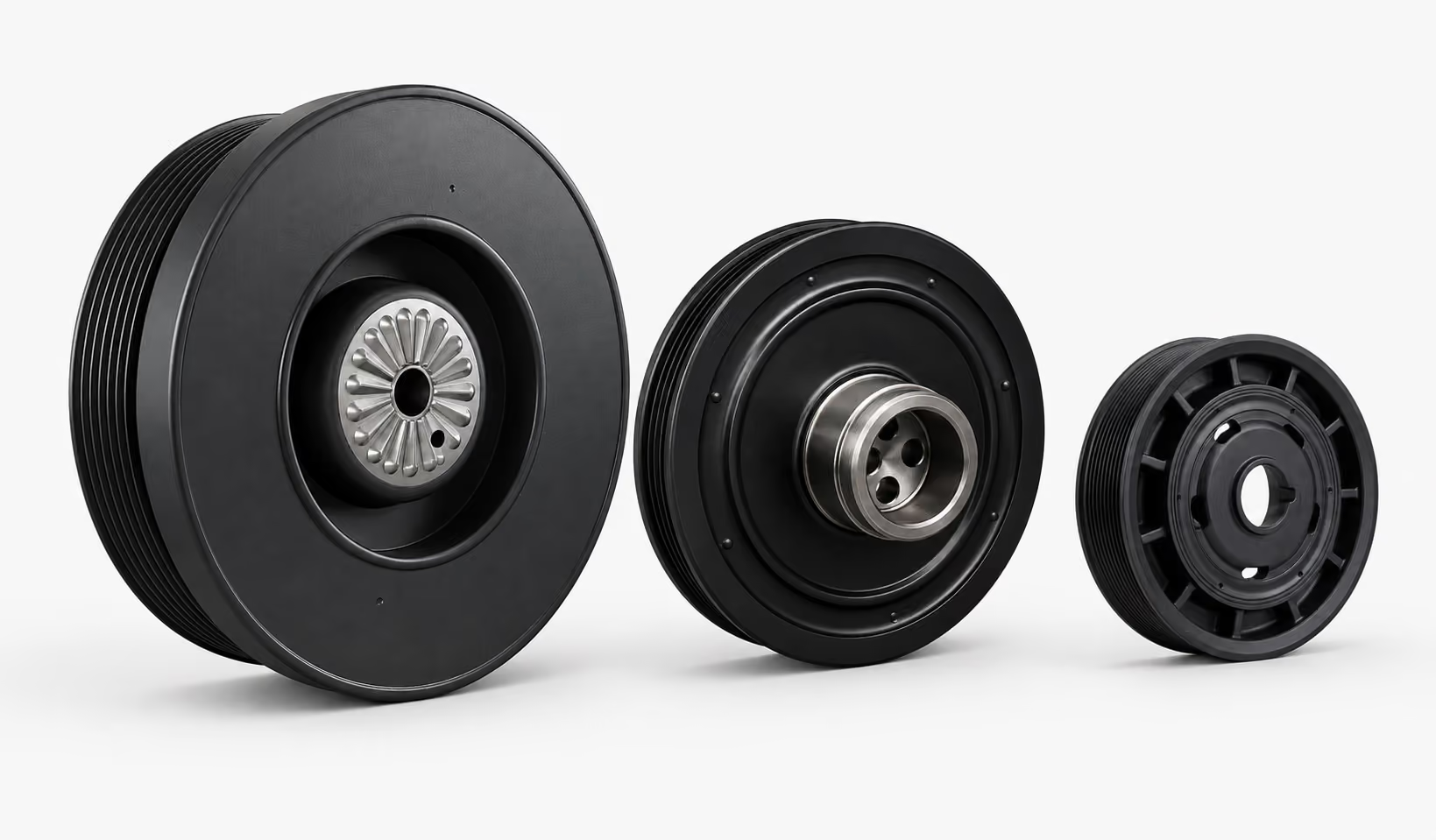
Torsion vibration dampers represent one of CORA's most established industrial assets.

They are not simple pulleys, but devices designed to control crankshaft oscillations, reduce noise and torsion stress, protect the transmission and increase the life of the connected components.

CORA develops solutions for automotive, commercial, high-performance and heavy-duty applications: elastomer TVDs, double damping systems and viscous dampers based on patented construction solutions.

Reduction of torsional amplitude

Control of natural crankshaft frequencies

Multi-order attenuation on wide fields of operation

Optimization of dynamic stiffness

Improved acoustic behaviour and powertrain life

Internal validation through static, dynamic, fatigue, thermal shock and aging measurements

TVD

Elastomeric dampers for torsional control and durability under high loads.

DDS

Double damping systems for low and high frequency combined attenuation.

Patented Viscous Dampers

Viscous fluid solutions for attenuation over large frequency spectra.

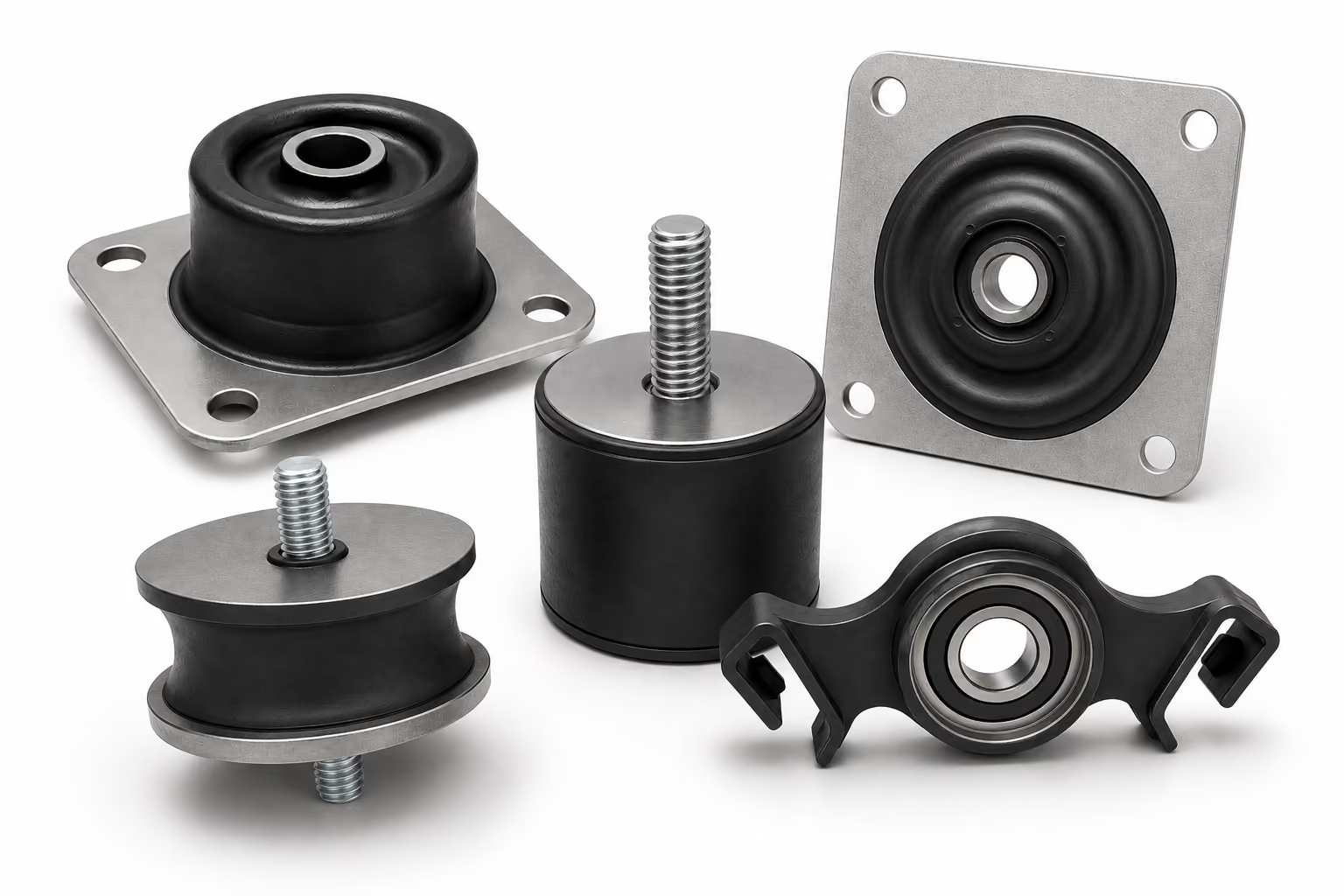
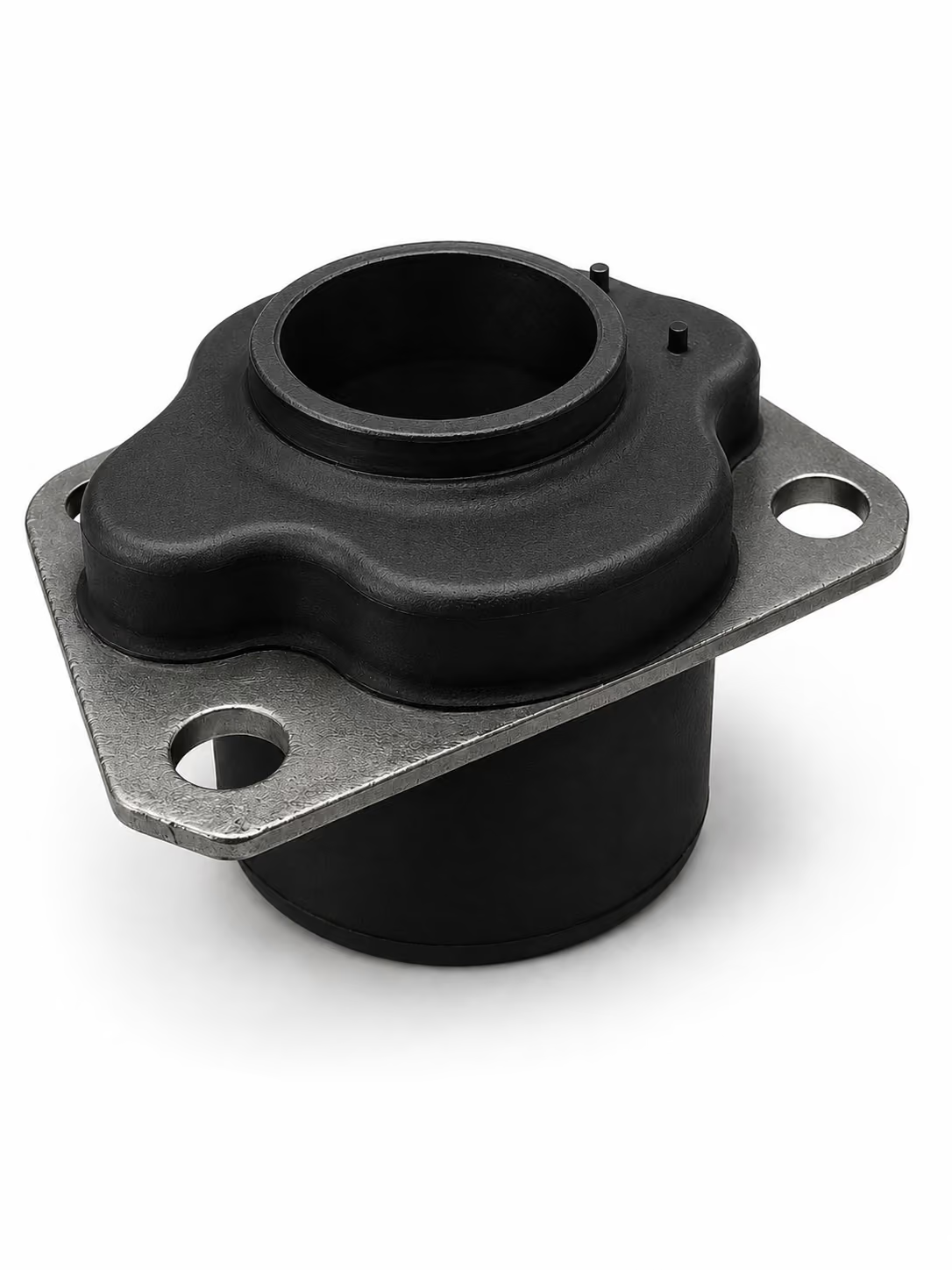
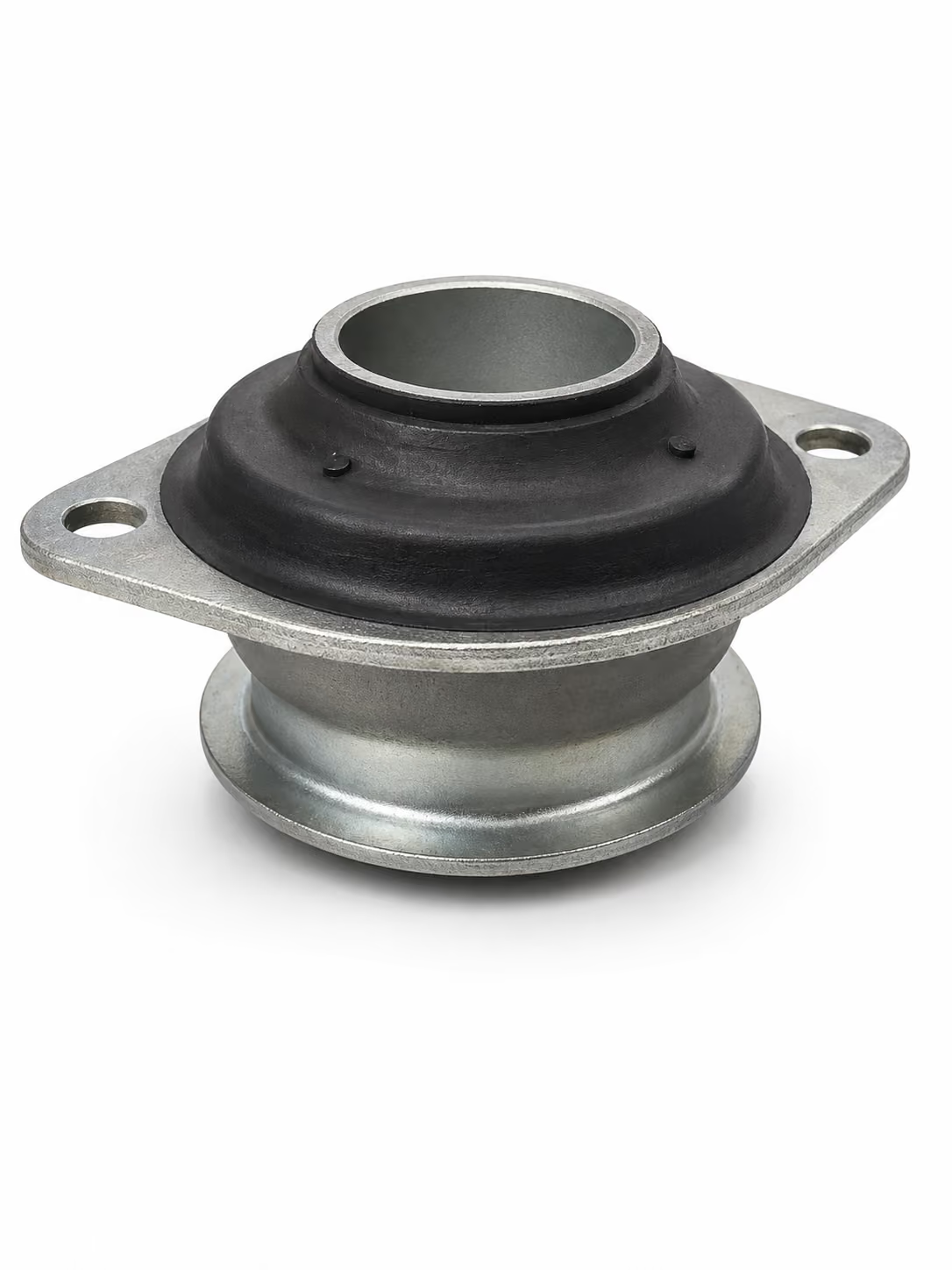
Structural Insulation Systems

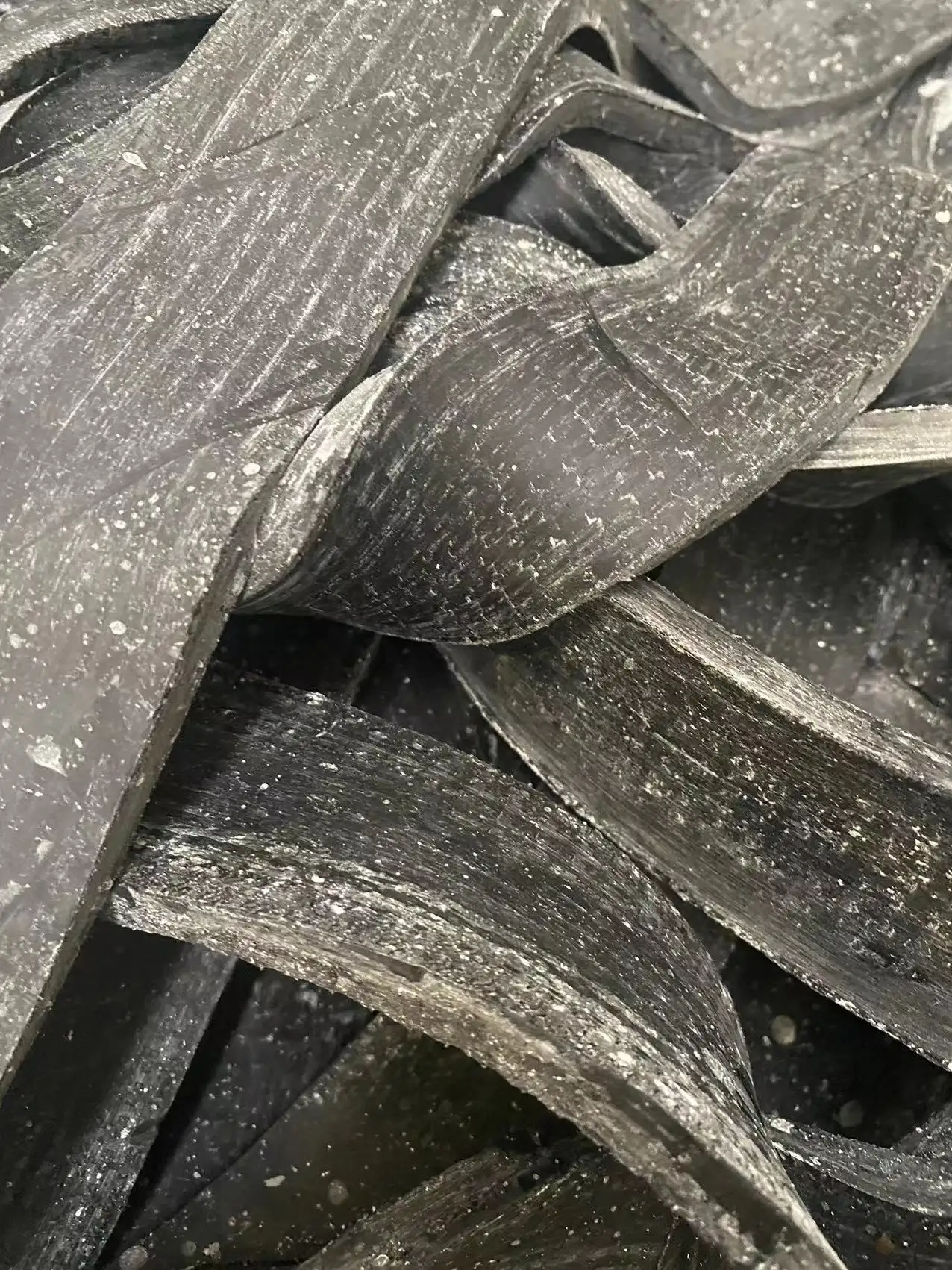
Close-up of overlapping black textured rubber or plastic strips with white speckles.

Sempre un passo avanti

Decoupling, controlling and preserving

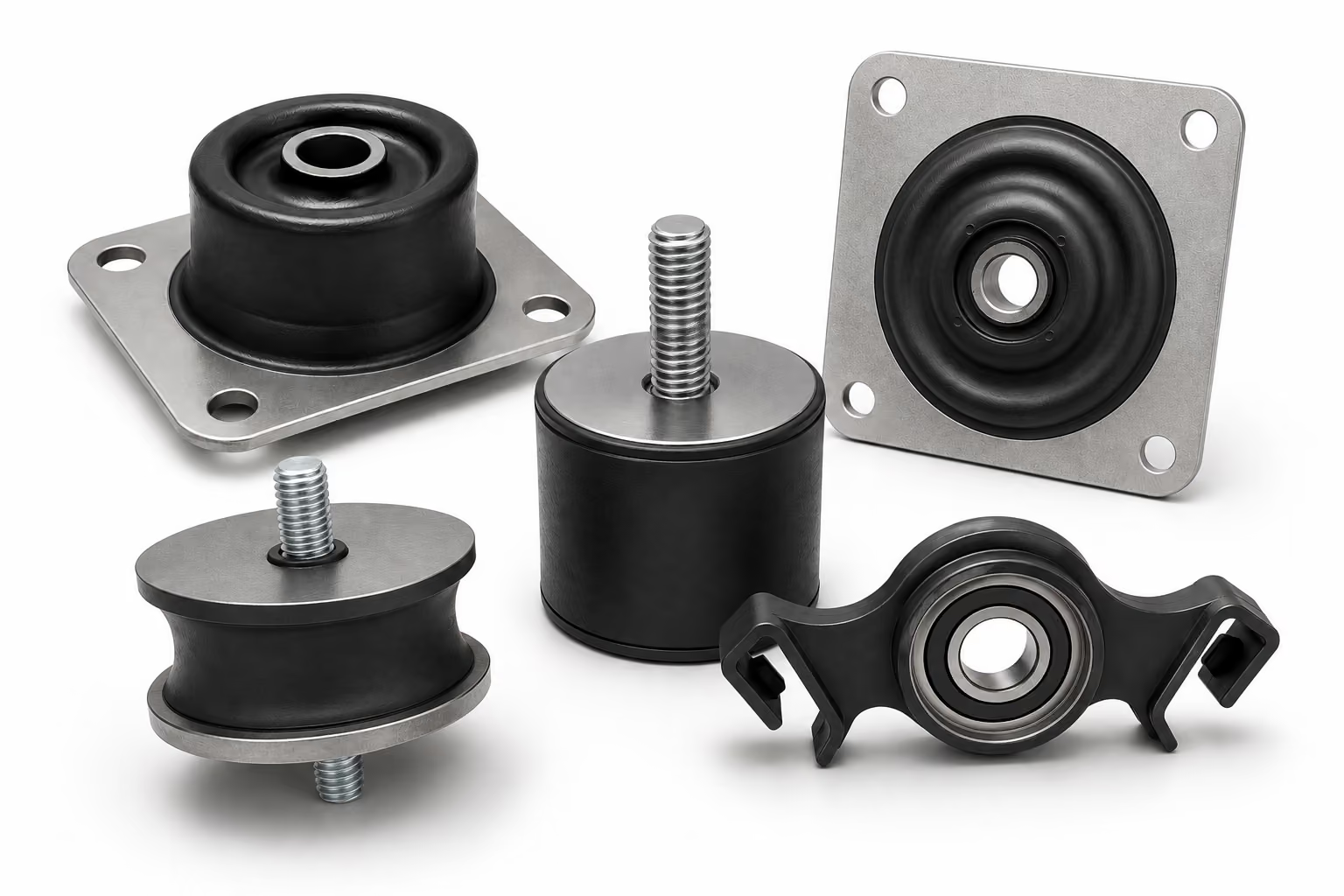
CORA structural insulation systems are designed to decouple mechanical assemblies, control vibration transmission and preserve structural integrity under dynamic load conditions.

They are born from the same engineering expertise that drives the development of dampers and joints: design the behavior of the rubber-metal interface.

Discover more

Discover the company

Not only products and tests, but an integrated and proven ecosystem of quality