Engineering

Rows of black speakers mounted on a blue wall in a dark room.

The lab is not the end of the process.

CORA engineering is built on continuity between design, simulation, process and laboratory.
‍
Each solution is developed to achieve a defined dynamic behavior, not to adapt generically to an existing geometry.

Design and
co-development

CORA supports OEM, industrial and advanced aftermarket customers in defining the solution:
concept, feasibility, reverse engineering, technical benchmarking, elastomer compound selection, performance targets and rubber-to-metal interface optimization.

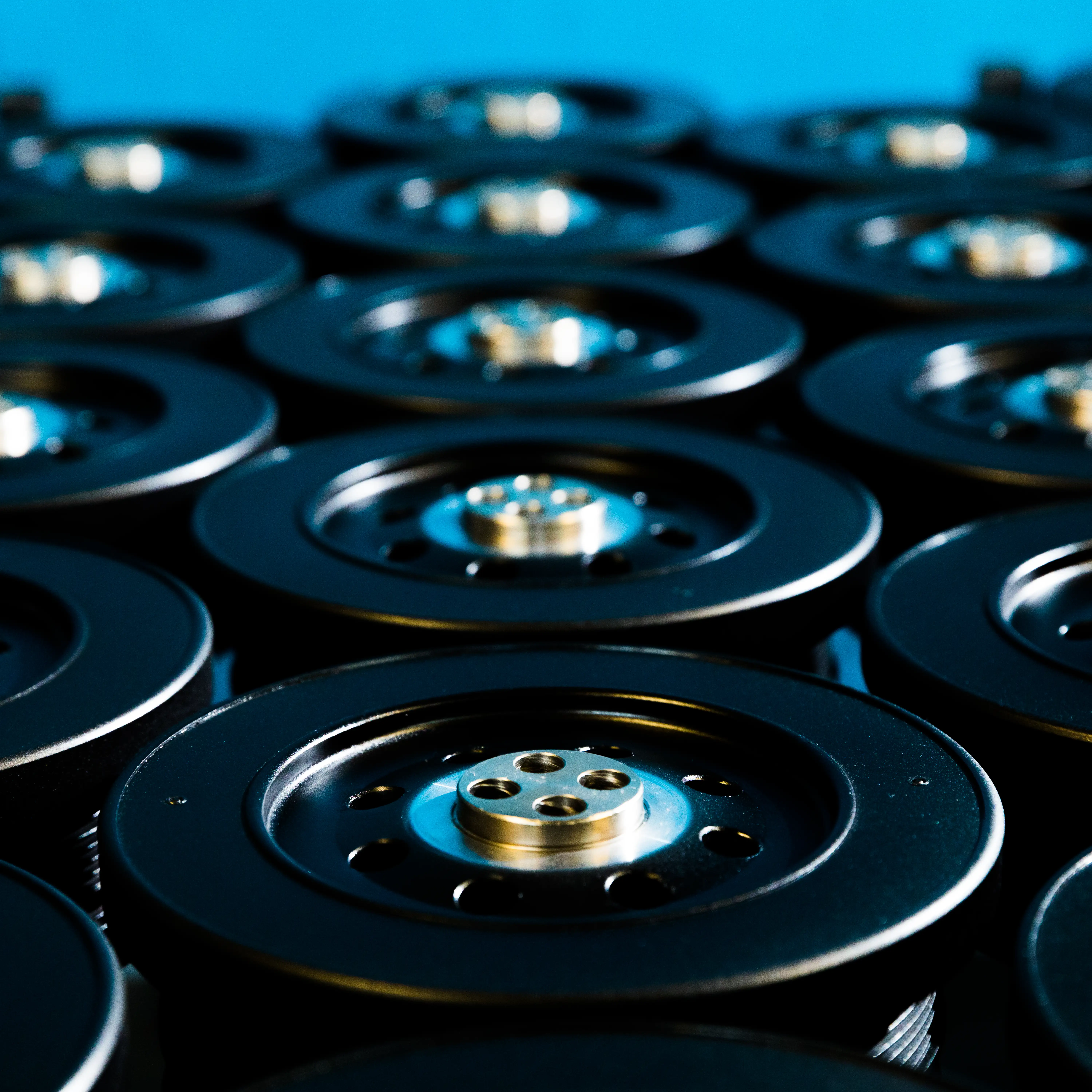
Close-up of metallic mechanical components arranged in rows with a blue background.

NVH Optimization

Vibrational performance is analyzed through natural frequency, static and dynamic stiffness, hysteresis, damping behavior and multi-axis load response.

The objective is to reduce vibration propagation and stabilize system behavior in real operating conditions.

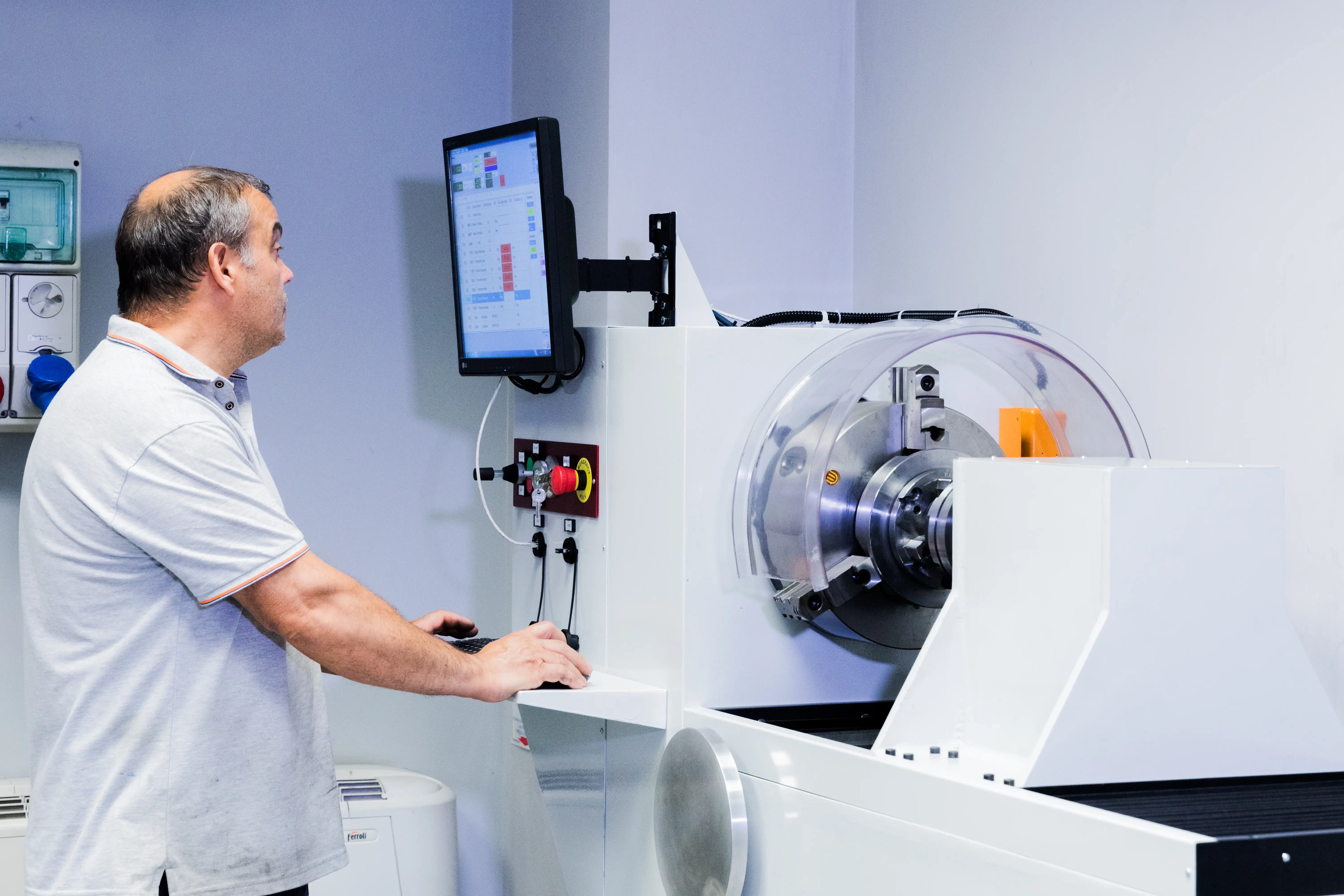
Man in a light grey polo shirt operating a white industrial machine with a circular metal part enclosed in a clear protective cover, viewing a monitor screen attached to the machine.

Dynamic simulation

Simulation helps predict structural and torsional behavior before prototyping, reducing uncertainty, development time and unnecessary iterations.

The project is refined before the production process begins.

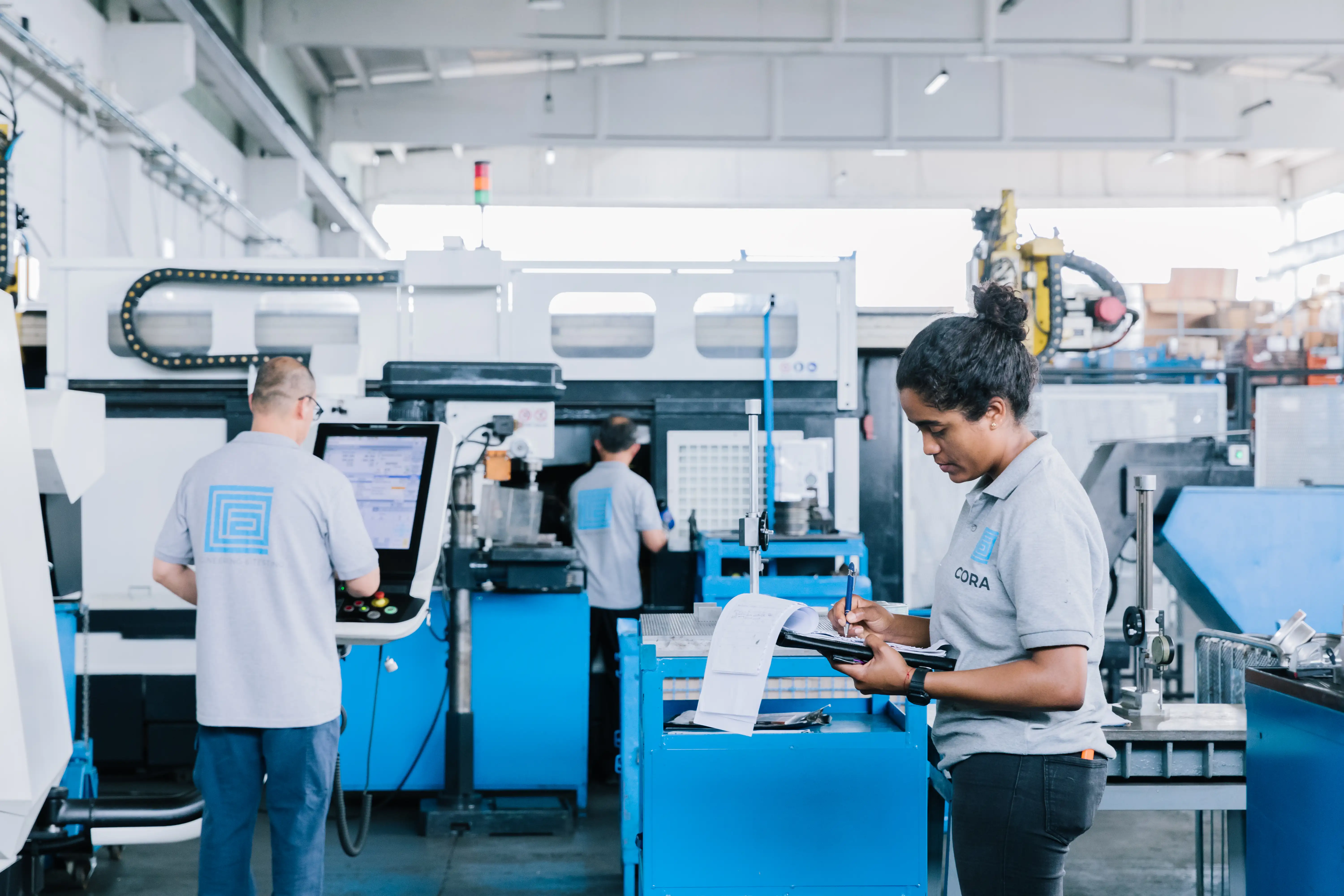
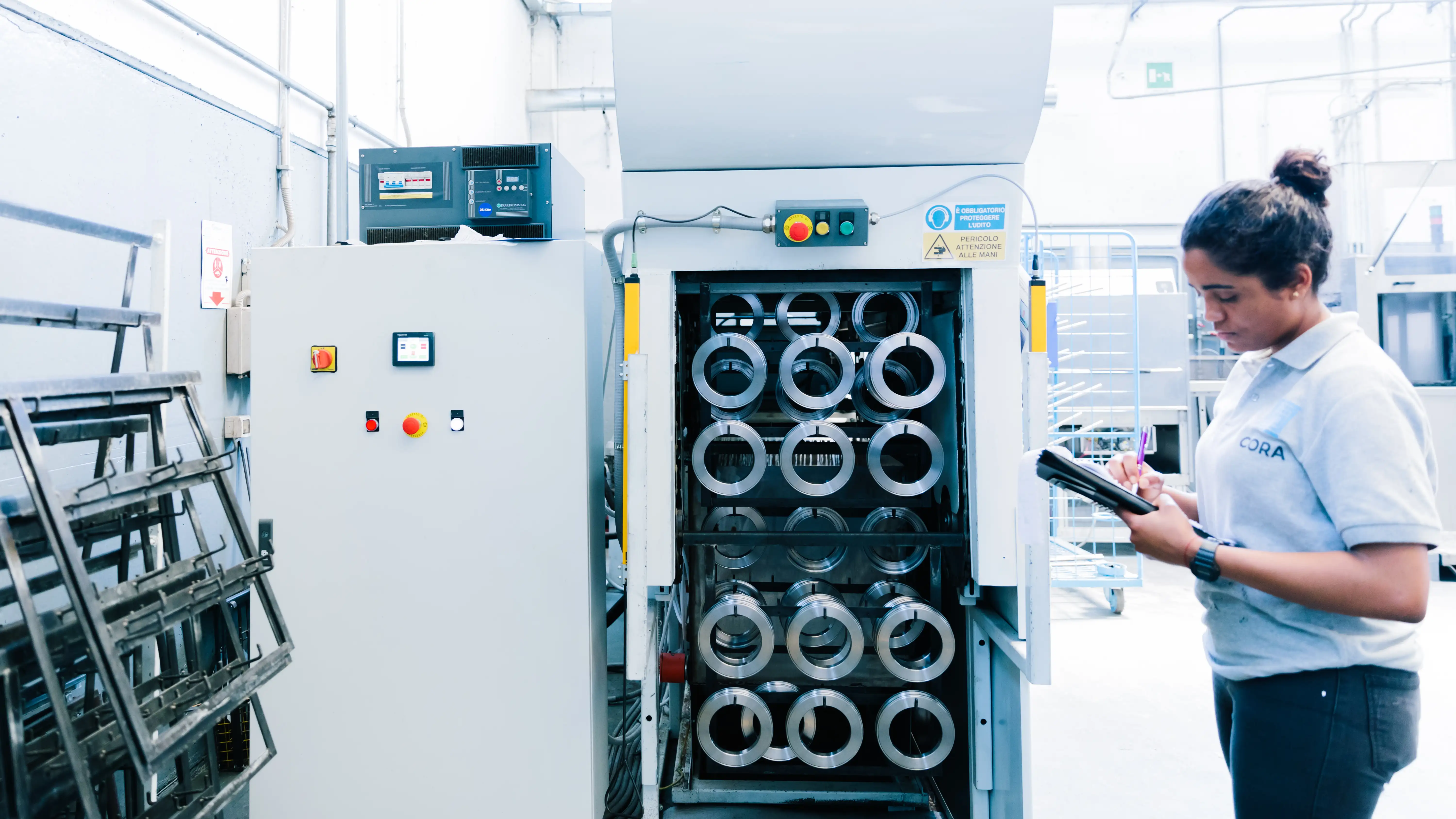
Factory workers in matching gray shirts operating machinery and taking notes on a clipboard.

Internal testing and validation

A dynamic component is not complete until it has been measured.

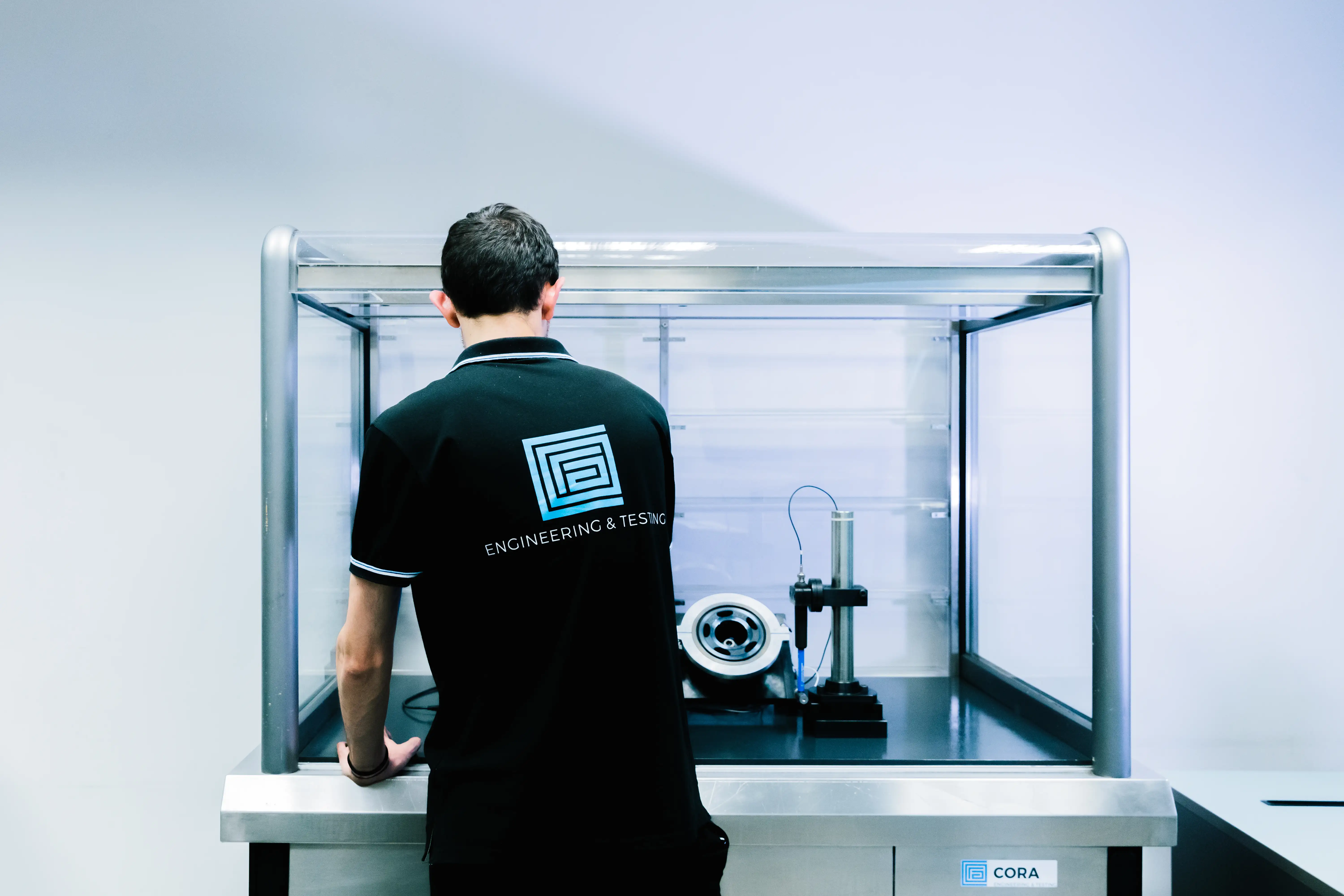
CORA validates performance internally through static and dynamic stiffness measurements, fatigue tests, thermal cycles, accelerated ageing, hysteresis analysis and natural frequency evaluation.

Person in a black shirt labeled Engineering & Testing working with equipment inside a transparent enclosure.

Discover the company

Bring us your dynamic system. We will engineer a precise response.